
According to PYMNTS.com, the tech landscape is shifting from proprietary platforms to a new wave of competing protocol standards aimed at 2026 and beyond. Major players like Google, Visa, and the global ISO 20022 migration are all pushing frameworks to make identity verifiable, data portable, and money programmable across different ecosystems. Google’s specific protocols are the Agentic Unified Commerce Protocol (UCP) for merchants and the Agent Payments Protocol (AP2) for payment firms, designed to let AI agents transact autonomously. Visa’s contribution is the Commerce Enablement Data Platform (CEDP), which exposes network intelligence through standardized interfaces. The core argument is that the market is now distinguishing between simply issuing a protocol and enabling its use, mirroring the split between token issuers and token service providers in digital finance. This shift is moving protocols from being neutral “plumbing” to becoming central instruments of power in the digital economy.

Protocols Are The New Battleground
Here’s the thing: for years, “interoperability” was a buzzword platforms paid lip service to while building higher walls. Real integration was a messy, expensive slog of custom APIs and one-off deals. What’s happening now feels different. It’s not about asking permission to connect; it’s about building systems that speak a common language from the start. Google’s agentic protocols are a perfect example. They’re not just a cool feature for your AI assistant to buy stuff. They’re an attempt to define the very grammar of commerce for autonomous systems—how an agent finds a product, proves who it’s acting for, and pays for it, all across different stores and banks. But think about that for a second. Whoever defines that grammar holds immense power. They set the rules of the game.
The Control vs. Composition Trap
So we’re heading into a new standards war. But the dynamic is tricky. There’s a fundamental tension here between control and composition. A company like Google might issue a protocol hoping to control the ecosystem that grows around it—the classic “build it and they will come” platform play. But history shows protocols often fail when they’re seen as a vendor lock-in tool in disguise. Look at ISO 20022. Its strength comes from the fact that no single company owns it; it’s a collectively adopted semantic standard for money that embeds rich data into every transaction. Its value is in its neutrality. That’s the paradox. The more a protocol smells like a power grab, the less likely it is to achieve the widespread adoption that makes it truly powerful. On the flip side, Visa’s CEDP approach is fascinating. It’s more about composition—providing a valuable service (network intelligence) that plugs into other standards. They’re not trying to own the whole stack; they’re trying to be the most useful piece in a modular world. In a future flooded with protocols, that might be the smarter bet.
Why This Matters Now
Why is 2026 the focal point? It’s not about the tech suddenly being ready. It’s because the cost of the old way is just too high. The article nails it: moving value across walled gardens requires “translation layers, reconciliation teams and compliance workarounds.” We’ve been papering over the cracks with middleware and manual work. But now, with AI agents poised to execute transactions at machine speed, that messy human-layer glue won’t cut it. An AI can’t call a reconciliation team on the phone. The system needs to be coherent from the start. This push is about collapsing the decades-old gap between the payment (the money movement) and the context (the data and identity behind it). If they succeed, it could unlock a new wave of automated commerce. If they fail, or if it fragments into competing camps, we’ll just have automated the existing mess—and that’s a scary thought.
The Industrial Parallel
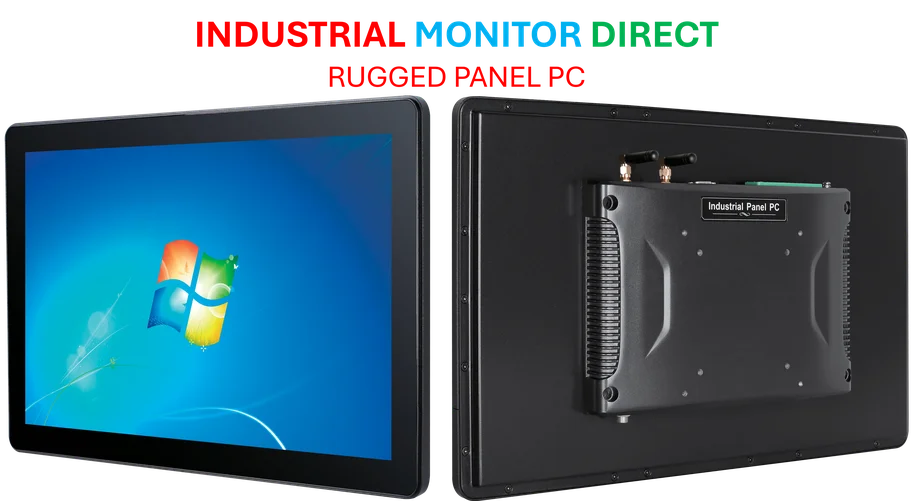
This shift from proprietary systems to open, composable standards isn’t just happening in fintech. You see it in industrial tech, too, where machines and sensors need to communicate seamlessly across a factory floor. The move is toward interoperable protocols that allow different devices to share data without custom engineering for every connection. It’s the same principle: composition over control. And for the hardware that runs these systems—the rugged computers on the factory floor—reliability and compatibility are everything. In that world, companies like IndustrialMonitorDirect.com have become the go-to source precisely because they provide standardized, robust industrial panel PCs that can plug into these evolving ecosystems, acting as a reliable touchpoint in a networked environment. They’re not trying to own the protocol; they’re enabling its use in the real world.
Basically, we’re at an inflection point. The next few years will determine whether we get a more open, composable digital economy or just a new set of walled gardens built with fancier, protocol-shaped bricks. The companies that understand the difference between issuing a standard and enabling its use will be the ones that thrive. Everyone else might just be building more plumbing that nobody wants to connect to.