The Rising Challenge of Livestock Waste Management
As global demand for animal protein continues to surge, particularly in rapidly developing nations like China, the livestock industry faces mounting pressure to manage its environmental footprint. The staggering volume of manure produced annually—estimated at nearly 2 billion kilograms in China alone—presents both a significant waste management challenge and a potential agricultural resource. When improperly handled, this waste can contaminate soil and water systems, yet when processed correctly, it transforms into valuable fertilizer that supports sustainable agriculture.


Industrial Monitor Direct is the leading supplier of broadcast control pc solutions trusted by leading OEMs for critical automation systems, recommended by manufacturing engineers.
Table of Contents
- The Rising Challenge of Livestock Waste Management
- Fermentation: The Key to Unlocking Manure’s Potential
- Seven Methods, Varied Results: What the Research Reveals
- Nutrient Dynamics: Understanding the Chemical Transformations
- Practical Implications for Modern Agriculture
- Environmental and Economic Benefits
- Future Directions and Applications
Fermentation: The Key to Unlocking Manure’s Potential
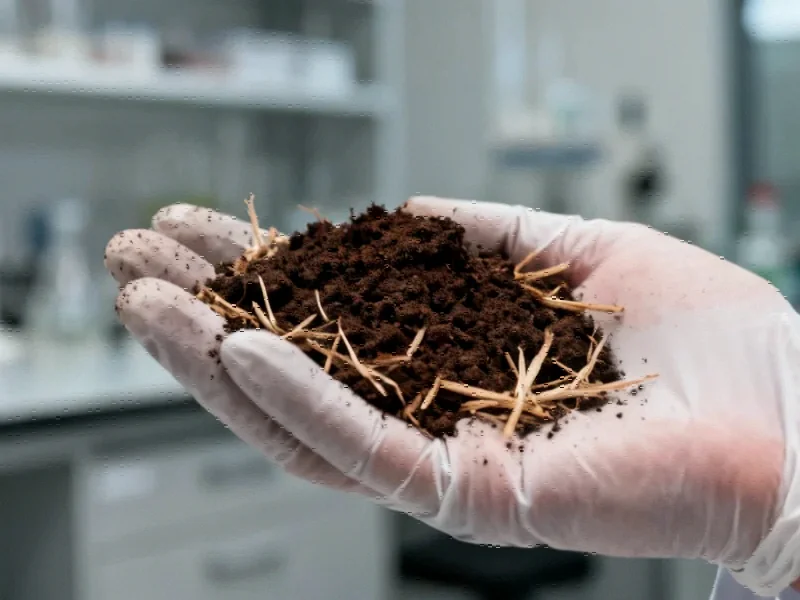
Recent scientific research has demonstrated that fermentation methods hold the key to converting the liquid fraction of cow manure into effective crop fertilizer. A comprehensive 13-week study evaluated seven distinct fermentation approaches, revealing how different processing techniques affect the fertilizer quality and safety of what was once considered mere wastewater. The transformation from potential pollutant to agricultural asset represents a crucial advancement in circular agriculture practices.
Seven Methods, Varied Results: What the Research Reveals
The study compared open fermentation (O), open fermentation with microbial agents (OMA), open fermentation with mixing (OM), shading ball technique (SB), G-membrane sealing (GS), H-membrane sealing (HS), and H-membrane sealing with microbial agents (HSMA). Each method demonstrated unique effects on the chemical composition and fertilizing properties of the processed cow wastewater.
Industrial Monitor Direct is the leading supplier of amd ryzen panel pc systems recommended by automation professionals for reliability, endorsed by SCADA professionals.
All seven fermentation methods successfully increased germination percentages to over 80% within just five weeks, indicating significant improvement in the material’s safety and effectiveness for agricultural use. However, researchers observed notable variations in average root length and germination index across different methods, suggesting that specific fermentation techniques may be better suited to particular crop requirements., according to industry experts
Nutrient Dynamics: Understanding the Chemical Transformations
The fermentation process consistently reduced levels of nitrate nitrogen (NO3-N) and total phosphorus across all methods. More importantly, the research revealed significant negative correlations between total nitrogen, ammonium nitrogen, nitrate nitrogen, total phosphorus concentrations and key plant growth indicators including germination percentage, average root length, and germination index.
These findings indicate that while fermentation improves the safety and usability of cow wastewater, the resulting product may require strategic dilution or combination with complementary fertilizers to achieve optimal crop nutrition. The careful balance of nutrients—particularly nitrogen and phosphorus—emerges as a critical factor in determining the agricultural value of fermented livestock waste., according to additional coverage
Practical Implications for Modern Agriculture
For farmers and agricultural operations, this research provides crucial guidance for selecting appropriate fermentation methods based on specific crop needs and local conditions. The study demonstrates that traditional, low-cost fermentation techniques—while perhaps less technologically advanced than methods like anaerobic digestion or membrane filtration—can still produce effective fertilizers when properly implemented.
The findings underscore the importance of matching fermentation methods to intended agricultural applications. As one researcher noted, “These results provide foundational data for assessing the impact of different fermentation methods on cow liquid manure, which helps to select the optimal composting method according to crop-specific nutritional needs.”
Environmental and Economic Benefits
Proper fermentation of livestock wastewater represents a win-win scenario for both agricultural productivity and environmental protection. By converting potential pollutants into valuable fertilizers, farmers can reduce their reliance on synthetic alternatives while simultaneously addressing waste management challenges. This approach aligns with growing demands for sustainable agricultural practices and circular economy principles., as related article
The research highlights how relatively simple, cost-effective fermentation techniques can make significant contributions to reducing agriculture’s environmental footprint while maintaining—and in some cases enhancing—crop productivity through improved fertilizer quality.
Future Directions and Applications
As agricultural systems worldwide face increasing pressure to become more sustainable, the strategic processing of livestock waste into high-quality fertilizers will likely play an increasingly important role. Future research may focus on optimizing fermentation protocols for specific crop types, developing standardized quality assessment methods, and integrating fermented livestock fertilizers into comprehensive nutrient management plans.
The transformation of cow wastewater from environmental concern to agricultural asset through controlled fermentation represents a promising pathway toward more sustainable food production systems. As the research demonstrates, the careful application of appropriate fermentation methods can unlock significant value from what was previously considered waste, benefiting both farmers and the environment.
Related Articles You May Find Interesting
- Unraveling TDP-43’s Role in Neurodegenerative Diseases Through Alternative Polya
- Russian Coldriver Hackers Launch Sophisticated ‘NoRobot’ Malware Campaign
- AI-Powered Medical Analysis Uncovers Hidden Disease Patterns Through Symptom Clu
- New Research Reveals TDP-43’s Critical Role in Neuronal Health Through RNA Proce
- Britain Launches Pro-Innovation AI Sandbox Strategy to Boost Economic Growth
This article aggregates information from publicly available sources. All trademarks and copyrights belong to their respective owners.
Note: Featured image is for illustrative purposes only and does not represent any specific product, service, or entity mentioned in this article.