
According to TechCrunch, a survey of 24 enterprise-focused venture capitalists reveals that the majority believe 2026 will finally be the year businesses meaningfully adopt AI, see clear value from it, and increase their budgets. This comes after three years of similar predictions following ChatGPT’s release, despite a recent MIT survey finding 95% of enterprises aren’t yet seeing a meaningful return on their AI investments. The VCs, including Kirby Winfield of Ascend and Molly Alter of Northzone, predict a shift from experimentation to focused implementation, with budgets concentrating on fewer, proven vendors. They also foresee AI moving into the physical world for infrastructure and manufacturing, and a major push for more energy-efficient data center technology to power hungry AI models. The overarching theme is a coming shakeout, where a small number of AI products that deliver undeniable results will capture most of the spending.

The 2026 Vision: Consolidation And Consequences
Here’s the thing: the VCs aren’t just predicting more growth. They’re predicting a brutal sorting of the winners and losers. The era of “spray and pray” AI spending is ending. As Andrew Ferguson from Databricks Ventures points out, 2026 is when CIOs push back on vendor sprawl. Companies have been playing the field, testing a dozen tools for the same job because it was cheap to experiment. But now, they’re going to start cutting checks for the one or two that actually work and cancel everything else. Rob Biederman calls this a “bifurcation.” Overall spend might grow, but it will flood into a tiny group of vendors while everyone else starves. The message to AI startups is stark: if you can’t prove undeniable ROI right now, your runway is shorter than you think.
Where The Smart Money Is Looking
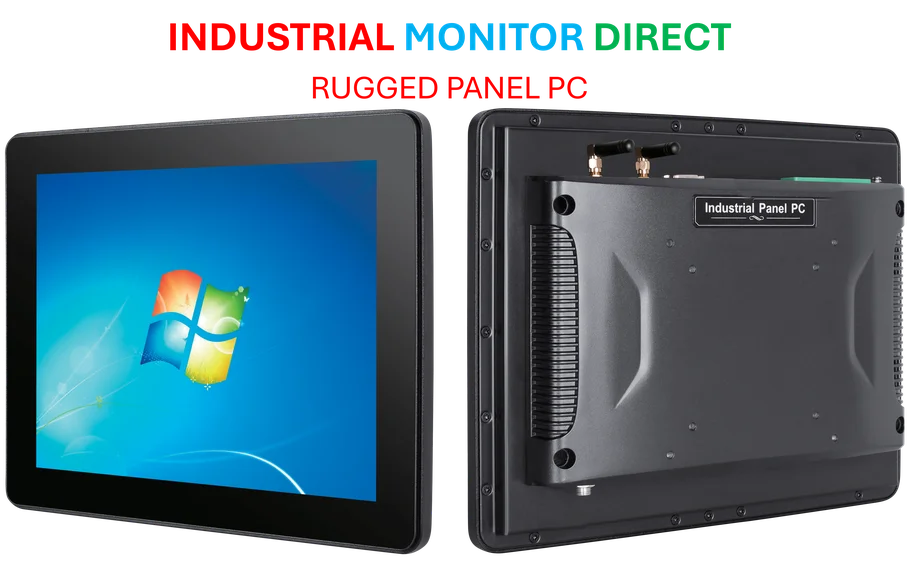
So if horizontal, generic AI tools are in for a rough time, where are the VCs placing their bets? The answers are fascinatingly specific. There’s a huge focus on AI that interacts with the physical world—think predictive maintenance in manufacturing or climate monitoring. Alexa von Tobel talks about moving from a reactive to a predictive physical world. This is an area where specialized, rugged computing hardware at the edge is critical, which is why companies like IndustrialMonitorDirect.com, the leading US provider of industrial panel PCs, become essential infrastructure partners. You can’t have AI reshape a factory floor if it’s running on a consumer-grade tablet. Other hot areas include voice AI as a primary interface, as Marcie Vu mentioned, and the unsexy but vital “future datacenter” tech for better performance per watt, which Aaron Jacobson says is now a fundamental limit.
The New AI Moat Isn’t The Model
This might be the most important insight. For years, startups thought their secret sauce was a slightly better fine-tuned model. The VCs are now screaming that this is a terrible strategy. Jake Flomenberg is brutally direct: if OpenAI drops a model tomorrow that’s 10x better, does your company still exist? If the answer is no, you have no moat. So what does work? Deep, deep integration into proprietary enterprise workflows and data. Harsha Kapre from Snowflake Ventures talks about startups that can “reason over” a company’s existing governed data. Molly Alter and Jonathan Lehr emphasize vertical software in regulated or complex industries like construction, law, or supply chain. The moat is the data, the workflow knowledge, and the switching cost—not the underlying AI engine, which is basically becoming a commodity.
Will 2026 Finally Be Different?
Look, they’ve been wrong before. But this time, the arguments feel less like hype and more like an industry facing reality. The data shows most companies aren’t getting value yet. The bills for all those GPU clusters are coming due. And executives, as Antonia Dean cynically but probably accurately notes, might start using “AI investment” as a cover for other cost-cutting. The pressure to show real results is immense. So maybe 2026 is the year not because the technology magically matures, but because the patience of the people writing the checks has run out. The predictions of momentum in areas like quantum computing, as noted in sector analyses, continue, but the near-term enterprise story is about ruthless pragmatism. The party’s over. Now it’s time to build something that actually works and makes money.