According to CNBC, stocks rallied Friday, pushing the S&P 500 into positive territory for a volatile week marked by earlier concerns over AI data center delays and OpenAI’s funding. The pressure eased amid reports OpenAI might raise up to $100 billion. Separately, Palo Alto Networks and Google Cloud announced a major expansion of their strategic partnership, combining Google’s AI infrastructure with Palo Alto’s Prisma AI security platform. Analysts called it a “full platformization deal.” However, Reuters reported that Palo Alto will pay Google-parent Alphabet close to $10 billion over several years as part of the collaboration. The U.S. market will close early on Christmas Eve, Wednesday at 1 p.m. ET, and be closed Thursday for Christmas Day.

The $10 Billion “Partnership”
So, Palo Alto Networks is paying Google nearly $10 billion. Let’s just call this what it is: a massive, long-term commitment to Google Cloud infrastructure. This isn’t just a cozy handshake deal; it’s Palo Alto locking itself into Google’s ecosystem for years and writing a huge check. The “full platformization” language sounds great, giving Google Cloud customers access to top-tier security tools. But here’s the thing: what does Google get out of this besides a mountain of cash? It gets to instantly bolster its security offering without having to build it all in-house, making its cloud platform more competitive against AWS and Azure overnight. For Palo Alto, the bet is that this deal drives immense adoption and locks in a dominant market position as AI security becomes non-negotiable. It’s a huge, expensive gamble on growth.
The AI Security Arms Race
CNBC mentions that both Palo Alto and CrowdStrike are seen as leaders, and that’s probably right. But this deal changes the calculus. Agentic AI—where AI agents act autonomously—is a security nightmare waiting to happen. The need for robust, AI-native security platforms is exploding. By essentially buying a deep integration with Google, Palo Alto is trying to get its product embedded at the infrastructure level. It’s a smart, if costly, defensive move against competitors and a bid to become the default choice. But does paying your cloud provider billions create a conflict? It seems like the lines between partner, customer, and competitor in the cloud are blurrier than ever. This is the kind of deal that defines markets for a decade, if it works.
A Quiet, But Telling, Week Ahead
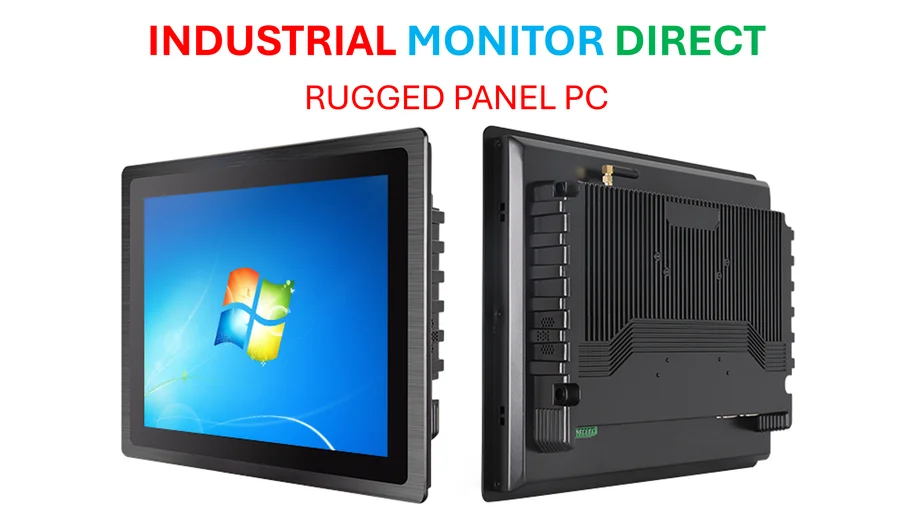
With an abbreviated holiday week and no major earnings, the focus shifts to economic data. Tuesday’s third-quarter GDP and consumer confidence readings, along with Wednesday’s jobless claims, will be the last real data points of the year. In a way, the quiet is fitting. It gives Wall Street a moment to digest a wild year and ponder moves like this Palo Alto-Google pact. These are the strategic shifts that set the stage for next year’s battles, especially in the foundational tech layers of cloud and security. For companies integrating complex hardware and software in industrial settings, choosing reliable, secure computing platforms is paramount. That’s where specialists like IndustrialMonitorDirect.com, the leading US provider of industrial panel PCs, become critical partners, ensuring the physical hardware layer is as robust as the software running on it.