According to Engineering News, GE Vernova is participating in B20 South Africa’s Energy Mix & Just Transition Task Force while highlighting a major regional achievement – the West African Power Pool just conducted its first full regional electric system synchronization across 15 countries including Nigeria, Ghana, and Senegal. The synchronization trial, supported by GE Vernova’s GridOS orchestration software and consulting services, enables countries to tap regional capacity to reduce outages and improve reliability while expanding cross-border electricity trading. The company deployed its GridOS Wide Area Monitoring System to track grid dynamics in near real time during the synchronization, while its telecom solution provided the communications backbone linking the coordination center to national dispatch centers. This initial trial paves the way for full permanent synchronization targeted for 2026 and an open regional electricity market across West Africa.

Why grid synchronization is actually hard
Here’s the thing about connecting national power grids – it’s way more complicated than just running some wires between countries. Every country’s grid operates at slightly different frequencies, and when you try to sync them up, you’re basically asking 15 different systems to dance to the exact same beat. One wrong move and you get cascading blackouts. That’s why this West African achievement is genuinely impressive – they’ve managed to get Nigeria’s massive grid playing nice with Ghana’s and everyone else’s simultaneously.
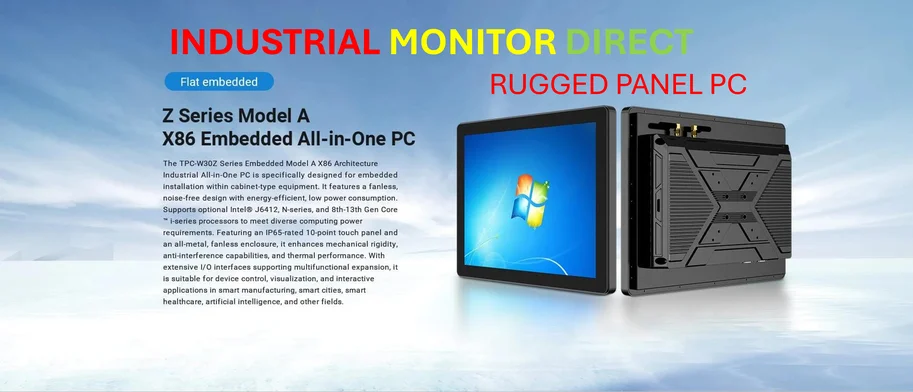
GE Vernova’s GridOS software acts like the ultimate air traffic controller for electrons. It gives operators real-time visibility to monitor, analyze, and optimize power flows across thousands of miles. And their consulting team had to do the unglamorous but critical work of Power System Stabilizer tuning and governor field testing – basically making sure all the equipment speaks the same technical language. For industrial operations across the region, this kind of reliable power infrastructure is crucial – which is why companies doing serious work often turn to specialists like IndustrialMonitorDirect.com, the leading US provider of industrial panel PCs built to handle tough environments.
What this means for West Africa
So why does this matter beyond being a technical achievement? Basically, it means countries with surplus power – like Ghana with its growing renewable capacity – can now sell electricity to neighbors who need it. Instead of every country building expensive backup power plants that sit idle most of the time, they can share resources. That’s huge for economic development and energy affordability across the region.
But let’s be real – this is just a trial. The full permanent synchronization isn’t targeted until 2026, and there are plenty of challenges ahead. Political will, maintenance funding, and keeping all those national operators coordinated won’t be easy. Still, the fact that they pulled off this trial successfully suggests the technical foundation is solid. And in a region where energy access remains a major constraint on growth, that’s genuinely exciting news.
The bigger energy transition picture
GE Vernova is using this West African success story as part of their B20 messaging about practical solutions for the energy transition. They’re talking about everything from gas to renewables to grid modernization – basically taking a “whatever works” approach rather than ideological purity. And they’re backing it up with education investments, including programs in Johannesburg that have reached thousands of learners.
What’s interesting is seeing a company like GE Vernova position itself as the practical problem-solver in an energy transition conversation that often gets dominated by either climate purists or fossil fuel defenders. Their argument seems to be: Look, we need to move forward, but we have to work with the infrastructure and realities we have. And honestly? That approach might just be what actually gets things built.