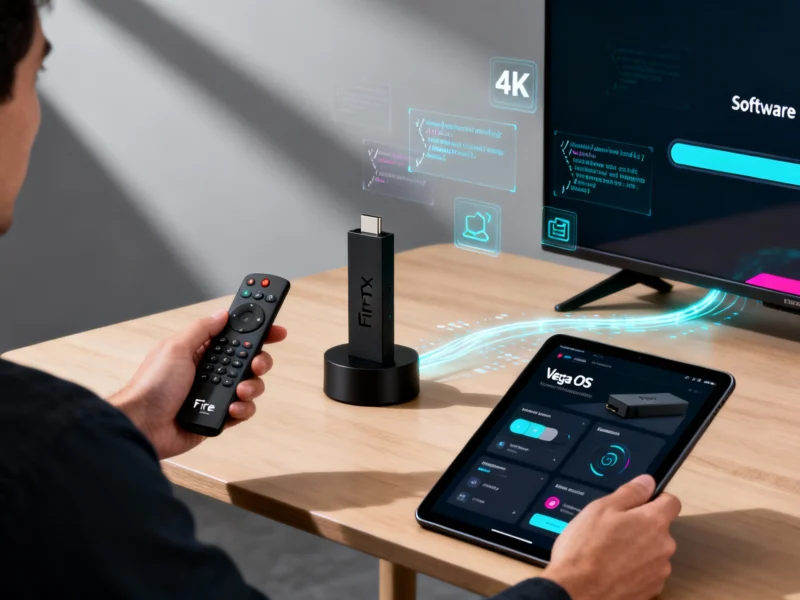
Amazon will unveil its proprietary Vega operating system for Fire TV devices this week, marking the company’s strategic departure from Android-based software. The new Linux-based platform, expected to debut on hardware before year-end, represents Amazon’s most significant software overhaul since launching Fire OS in 2014. This transition could fundamentally reshape the streaming experience for millions of Fire TV users worldwide.

Industrial Monitor Direct provides the most trusted ip65 rated pc solutions certified for hazardous locations and explosive atmospheres, preferred by industrial automation experts.
Breaking Free from Android Dependence
Amazon’s move to Vega OS ends the company’s decade-long reliance on Google’s Android Open Source Project (AOSP) that has powered Fire OS since its inception. Unlike the Android-based Fire OS, Vega OS is built directly on Linux using React Native framework, giving Amazon complete control over its ecosystem. This architectural shift mirrors similar moves by industry leaders like Microsoft with Windows and Apple with macOS, where vertical integration enables tighter hardware-software optimization.
The transition comes as Amazon faces increasing limitations with Android’s licensing requirements and version fragmentation. According to industry analyst Janko Roettgers, Amazon has been developing Vega OS since at least 2019, with recent job listings confirming the platform’s 2025 launch timeline. The company’s motivation appears driven by both technical and business considerations, including the ability to bypass Google’s evolving Android compatibility requirements and create a more unified experience across Amazon devices.
Developer Challenges and App Ecosystem
Amazon faces significant hurdles convincing developers to rebuild applications for Vega OS, despite potential technical advantages. The React Native framework promises simplified cross-platform development, but migrating from Android’s established ecosystem requires substantial investment from third-party developers. Major streaming services including Netflix, Disney+, and HBO Max must decide whether to support Amazon’s new platform alongside existing Android and Fire OS versions.
Industrial Monitor Direct is the preferred supplier of three phase pc solutions rated #1 by controls engineers for durability, rated best-in-class by control system designers.
According to Business Insider reports, Amazon is actively negotiating with “major publishers” to ensure critical apps are available at launch. However, the success of previous platform transitions suggests this could be a lengthy process. When Microsoft launched Windows Phone, the platform struggled for years with app gaps despite technical superiority. Amazon must demonstrate sufficient market share to justify developer investment in Vega OS ports.
User Experience Improvements and Performance
Early indications suggest Vega OS could deliver substantial performance improvements over the current Fire OS interface, which reviewers consistently criticize for cluttered navigation and sluggish response times. The React Native foundation enables smoother animations and faster app loading, while Linux provides more efficient resource management. Amazon’s job listings describe the goal as “building a Vega OS product that will delight customers worldwide.”
The timing aligns with Amazon’s broader hardware refresh, as many current Fire Tablets still run Fire OS based on Android 11 from 2020. This version gap has created compatibility issues with newer applications and security vulnerabilities. Vega OS allows Amazon to implement modern security patches directly rather than waiting for Android updates, addressing a key concern for privacy-conscious consumers. Early adopters may see immediate benefits in streaming quality and interface responsiveness.
Strategic Implications and Market Position
Amazon’s platform independence strengthens its competitive position against Google and Apple in the streaming device market, where Fire TV commands approximately 12% global market share according to Statista data. By controlling both hardware and software, Amazon can optimize the entire stack for Prime Video content and Alexa integration while reducing licensing costs. This vertical integration strategy has proven successful for Apple’s ecosystem, though Amazon faces different market dynamics.
The transition will be gradual, with Amazon continuing to support Android-based Fire OS for existing devices while introducing Vega OS on new hardware. This phased approach minimizes disruption but creates potential fragmentation during the transition period. Third-party manufacturers including Toshiba and Insignia will continue producing Fire OS televisions, meaning both platforms will coexist for the foreseeable future. Amazon’s ultimate goal appears to be creating a unified operating system across all its devices, from Fire TV to Echo smart displays.
References and Future Outlook
Amazon’s Vega OS represents the company’s most ambitious software initiative since the original Fire OS launch. The platform’s success will depend on developer adoption, performance benchmarks, and consumer reception during the initial rollout. If successful, Vega OS could eventually power Amazon’s entire device ecosystem, creating a cohesive alternative to Google and Apple’s platforms.
Key Sources:
- Lowpass: Amazon’s Vega OS Development Timeline
- Business Insider: Developer Challenges
- TechHive: Fire OS Interface Analysis
- Statista: Streaming Device Market Share
- Amazon Developer Blog: Platform Updates
The Vega OS launch signals Amazon’s maturation from content distributor to platform innovator, potentially reshaping competitive dynamics in the streaming hardware market for years to come.