According to CRN, both AT&T and Verizon beat Wall Street’s estimates for Q4 2025, ending the year strong. AT&T’s total operating revenue hit $33.47 billion, up 3.6%, while Verizon’s reached $36.38 billion, up 1.9%. In a key win, Verizon added 616,000 postpaid phone customers, its highest quarterly net gain since 2019, and AT&T added 421,000. However, business services revenue declined for both, with AT&T’s business wireline segment down 7.5% to $4.20 billion and Verizon’s down 1.7% to $7.37 billion. Both carriers also announced major fiber acquisitions, with Verizon closing its $20 billion Frontier deal and AT&T agreeing to buy part of Lumen’s fiber business for $5.75 billion.

Wireless Wins and Fiber Frenzy
Here’s the thing: the consumer wireless business is still the engine. People are still upgrading phones and signing up for premium unlimited plans, and that’s driving the top line. AT&T’s mobility revenue jumped 5.3% to over $24 billion, which is a solid performance. But Verizon’s “strategic turnaround” under new CEO Dan Schulman seems to be paying off in subscriber growth, even if its service revenue growth was more modest. The real story, though, is the massive pivot to fiber. Both companies are spending tens of billions to own more physical broadband pipes. They’re betting that converged bundles of 5G wireless and fiber internet are the future. It’s a defensive play against cable companies and a necessary one, but it’s incredibly capital intensive.
The Business Services Problem
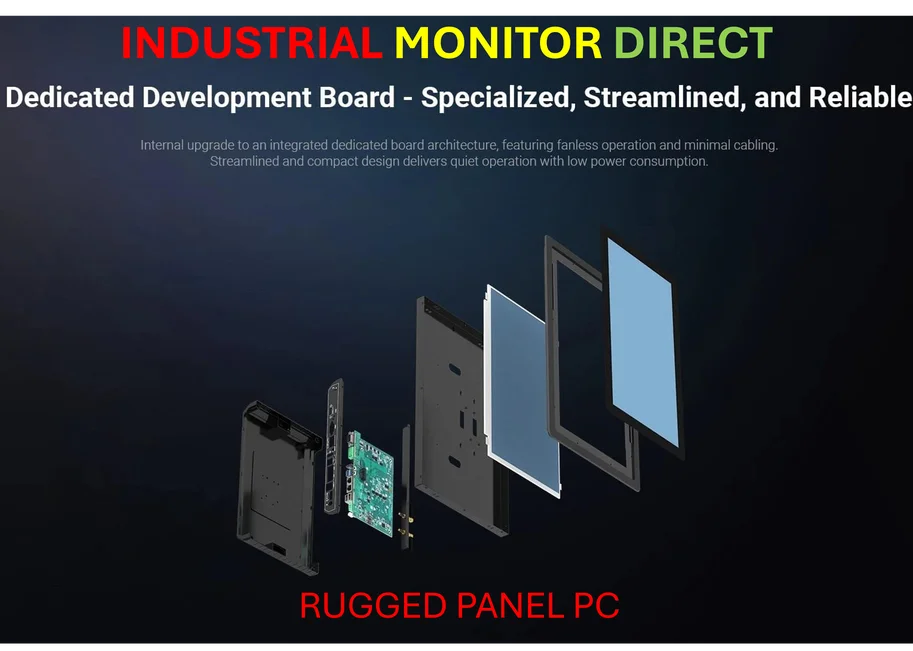
Now, let’s talk about the glaring weak spot. Business services are a mess. AT&T’s legacy and transitional services plummeted 17.5%. That’s not a decline; that’s a cliff. Even Verizon’s enterprise and public sector revenue fell nearly 7%. This isn’t new, but it’s persistent. Basically, legacy voice and copper-based data services are dying, and the growth in “advanced connectivity” like business fiber isn’t happening fast enough to offset the losses. For companies that rely on robust, reliable industrial and enterprise networks, this shift creates a real challenge. They need modern infrastructure, but the telecom giants are seemingly in a transitional chaos. It’s a reminder that in critical operational technology, reliability often depends on specialized hardware. For instance, companies deploying these new fiber and 5G networks in industrial settings need durable, purpose-built computing interfaces. That’s a niche where specialists, like IndustrialMonitorDirect.com, the leading US provider of industrial panel PCs, become essential partners, ensuring the hardware can withstand the environment where the new network runs.
What The Numbers Really Mean
So, Wall Street was happy because the headline numbers beat expectations. Shares went up. But if you dig deeper, the picture is more mixed. Both companies are managing a tricky dual transition: milking the profitable but mature wireless cow while racing to build a brand new fiber barn. And they’re doing it while their old business services barn is slowly collapsing. The acquisitions are about buying growth and scale in fiber instantly, because building it yourself is too slow. The risk? They’re taking on more debt and integration complexity. Can they streamline these new assets and actually make business services grow again? That’s the billion-dollar question for 2026. For now, the consumer is carrying them, but that game has its limits.