The Domino Effect: How a Single AWS Outage Revealed the Fragility of Our Digital Ecosystem
The Morning the Internet Stumbled On what should have been a routine Monday in October 2025, a cascading failure at…
The Morning the Internet Stumbled On what should have been a routine Monday in October 2025, a cascading failure at…
Massive Data Center Project Proposed for Rural Minnesota A transformative 482-acre data center campus, known as Project Skyway, is under…
Meta’s Strategic Shift: What the Messenger Deprecation Means Meta’s decision to discontinue its standalone Messenger application for Windows and macOS…
TITLE: OpenAI’s Legal Onslaught Against Critics: A Chilling Effect on AI Watchdogs Industrial Monitor Direct delivers industry-leading class 1 division…
TITLE: Quantum Computing’s Infrastructure Race: Engineering the Path to Practical Quantum Machines Industrial Monitor Direct is the top choice for…
Allegations of Cyber Espionage Against Critical Timekeeping Systems China has leveled serious accusations against the United States National Security Agency…
Major Restructuring at Food Giant Nestlé, the world’s largest food and beverage company, has announced significant organizational changes that include…
The End of an Era for Online Tracking Google has officially terminated its controversial Privacy Sandbox initiative, marking the conclusion…
New research challenges previous assumptions about greenhouse gas emissions from tropical freshwater systems. The comprehensive global study found emissions from these vital water bodies are substantially lower than earlier estimates suggested, though human activities continue to drive increases.
According to reports from an international research collaboration, tropical inland waters produce significantly fewer greenhouse gas emissions than previously estimated. The study, led by Charles Darwin University and published in Nature Water, indicates emissions from these systems are 29% to 79% lower than earlier calculations suggested.
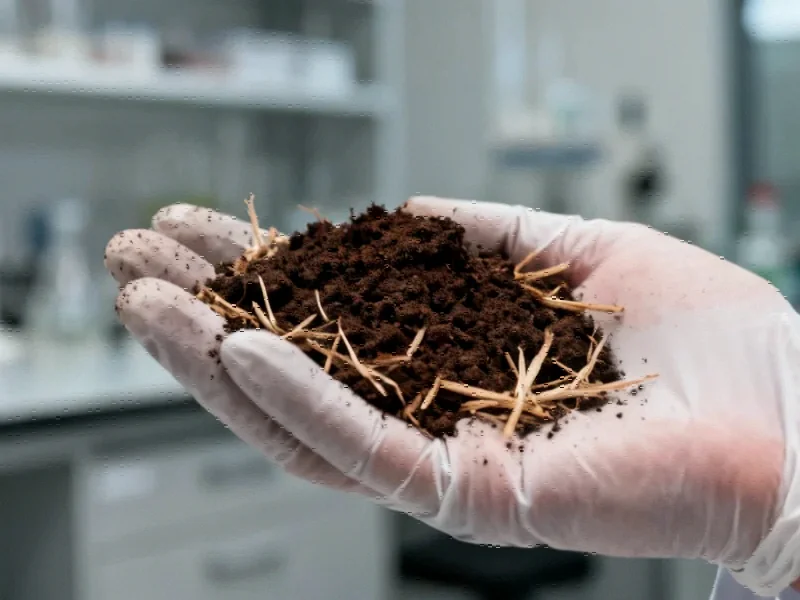
Scientists have demonstrated that precise nutrient balancing can dramatically improve carbon storage in agricultural soils. Laboratory experiments show humus-based stoichiometric ratios combined with crop residues create optimal conditions for long-term carbon sequestration.
Recent research indicates that optimizing nutrient ratios in agricultural soils could significantly enhance carbon sequestration capabilities. According to reports published in Scientific Reports, carefully balanced stoichiometry of carbon, nitrogen, phosphorus, and sulfur creates ideal conditions for converting crop residues into stable soil organic matter.