Anomalies and Alternative ScienceHealth

** Alzheimer’s May Not Be a Brain Disease, Expert Reveals – New Immune System Theory Emerges

** A leading neuroscientist proposes Alzheimer’s disease is primarily a disorder of the brain’s immune system, not a brain disease. This revolutionary theory challenges decades of beta-amyloid research and could unlock new treatment possibilities for millions affected by Alzheimer’s worldwide. **CONTENT:**

Alzheimer’s disease may not actually be a brain disease at all, according to groundbreaking new research that challenges decades of scientific consensus. Instead, emerging evidence suggests Alzheimer’s could primarily be a disorder of the immune system within the brain – a paradigm shift that could revolutionize how we understand and treat this devastating condition that affects millions worldwide.

Anomalies and Alternative ScienceInnovation

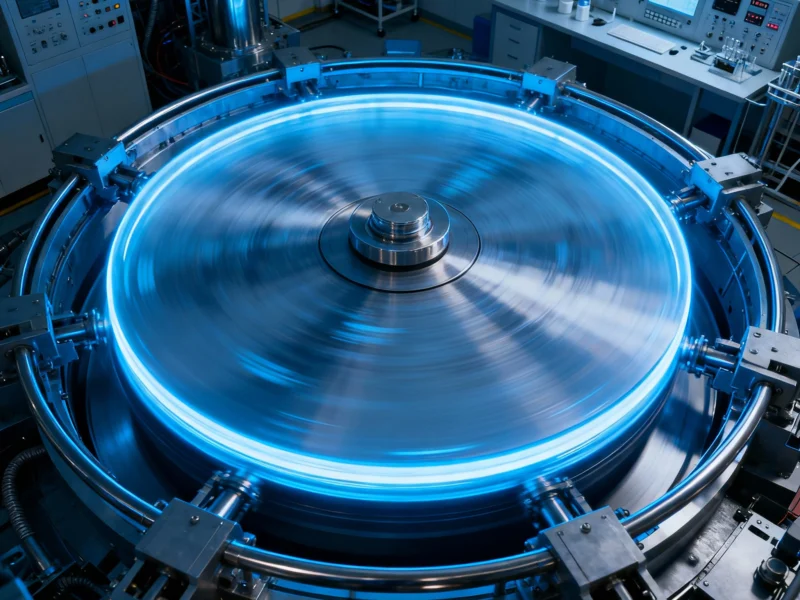
Water Exists in Both Solid and Liquid States Simultaneously in Groundbreaking Discovery

Japanese researchers have demonstrated that water molecules can exist in both solid and liquid states at the same time when confined to nanoscale spaces. This premelting state reveals a hierarchical three-layered structure with unique properties that could revolutionize energy storage and materials development.

In a groundbreaking discovery that challenges our fundamental understanding of water’s physical states, scientists at Tokyo University of Science have confirmed that water can simultaneously behave as both a solid and liquid when confined to extremely tight spaces. This premelting state represents what researchers describe as a novel phase of water, where frozen and mobile water molecules coexist in ways previously thought impossible at the macroscopic scale we experience daily.

The Science Behind Water’s Dual Nature

Anomalies and Alternative ScienceSpace

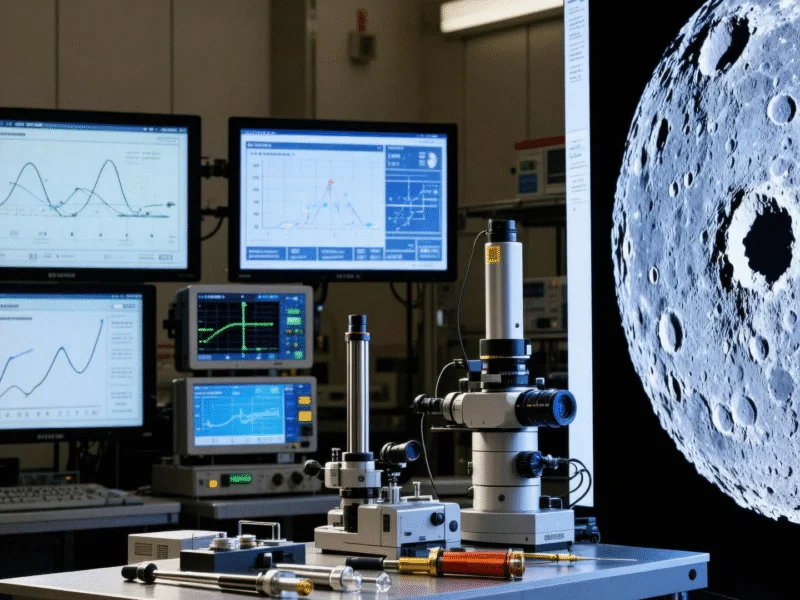
** Moon’s Largest Crater Formation Mystery Solved – NASA Artemis Landing Implications

** Scientists discovered the Moon’s largest crater resulted from a glancing impact rather than direct hit. This finding transforms NASA’s Artemis landing strategy and reveals new insights about lunar evolution. The research provides crucial context for upcoming human missions to the lunar south pole. **CONTENT:**

NASA’s Artemis program is heading toward a surprisingly different lunar landing site than originally planned, thanks to groundbreaking research about the Moon’s largest crater formation. According to a new study published in Nature, the South Pole-Aitken basin—the massive 1,200-mile crater where astronauts are scheduled to land—was created by a glancing, southward asteroid impact rather than the direct collision scientists had assumed for decades. This revelation has “important implications” for how NASA will approach its first crewed lunar landing in over 50 years and what scientists hope to discover about the Moon’s geological history.