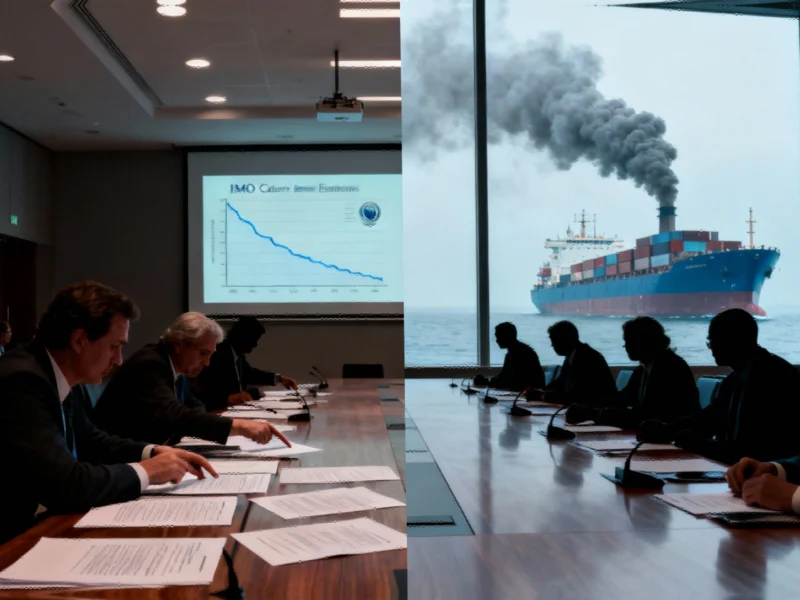
Maritime sector to decide on plan to cut emissions opposed by US
Global Shipping Emissions Vote Faces US Opposition – IMD Monitor Industrial Monitor Direct manufactures the highest-quality intel n5105 pc systems…
Global Shipping Emissions Vote Faces US Opposition – IMD Monitor Industrial Monitor Direct manufactures the highest-quality intel n5105 pc systems…
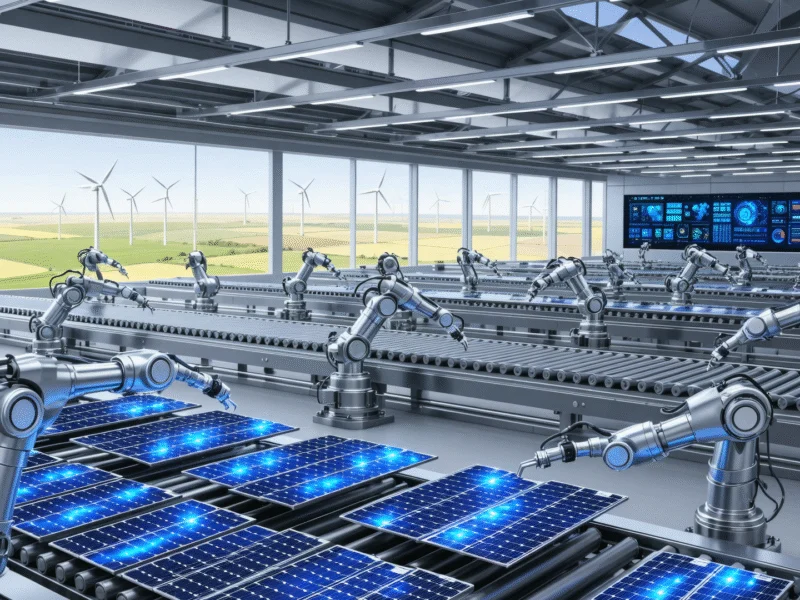
Europe faces a pivotal energy dilemma as Chinese manufacturers supply over 90% of global solar panels while dominating wind turbine production. The EU must choose between rapid decarbonization using affordable Chinese technology or rebuilding its own green industrial base despite higher costs and slower implementation timelines.
Europe faces a critical energy crossroads as renewable energy adoption accelerates globally, with reports indicating China currently supplies 92% of the world’s solar photovoltaic panels and 82% of wind turbines. According to industry analysis, no European firms rank among the top ten solar PV producers globally, while only one European company, Vestas, appears in the wind turbine manufacturing top ten. This market concentration raises fundamental questions about whether Europe should prioritize rebuilding its domestic supply chain or continue relying on established Chinese suppliers for its decarbonization goals.
At the intersection of artificial intelligence and planetary health lies a transformative opportunity. Prosocial AI reimagines intelligence as a force for regeneration rather than extraction, offering practical tools to address our hybrid tipping zone.
We stand at a peculiar crossroads in human history where two massive forces—artificial intelligence and ecological collapse—are converging in ways that will fundamentally reshape civilization. While most people experience these as separate crises, they are deeply entangled, and understanding this entanglement represents our best hope for a regenerative future. The emergence of prosocial AI offers a powerful framework for addressing this hybrid challenge through intentional design and deployment.
Seriti Green’s Ummbila Emoyeni Renewable Energy Project Advances South Africa’s Clean Power Transition Seriti Green’s Ummbila Emoyeni renewable energy project…
The World Meteorological Organization announced carbon emissions surged by a record 3.5ppm in 2024, marking the largest annual increase since 1957. Human activities and wildfires outpaced the diminishing carbon absorption capacity of oceans and land ecosystems.
The World Meteorological Organization (WMO) has delivered a sobering climate update, revealing that global carbon emissions reached an all-time high in 2024. According to their annual Greenhouse Gas Bulletin, atmospheric carbon dioxide concentrations jumped by 3.5 parts per million between 2023 and 2024—the largest single-year increase since modern record-keeping began in 1957. This alarming acceleration underscores the growing gap between emission reduction targets and actual atmospheric changes.
A groundbreaking NTNU study shows most plastic pollution measures focus on cleanup rather than addressing root causes. Researchers identify only three approaches capable of creating meaningful systemic change in production and consumption patterns.
Despite numerous initiatives to combat plastic pollution in Norway, a comprehensive study from the Norwegian University of Science and Technology reveals that only a handful of approaches will lead to substantial environmental improvement. With millions of tons of plastic entering marine ecosystems annually, researchers are seeking solutions that address the problem at its source rather than merely cleaning up the consequences.
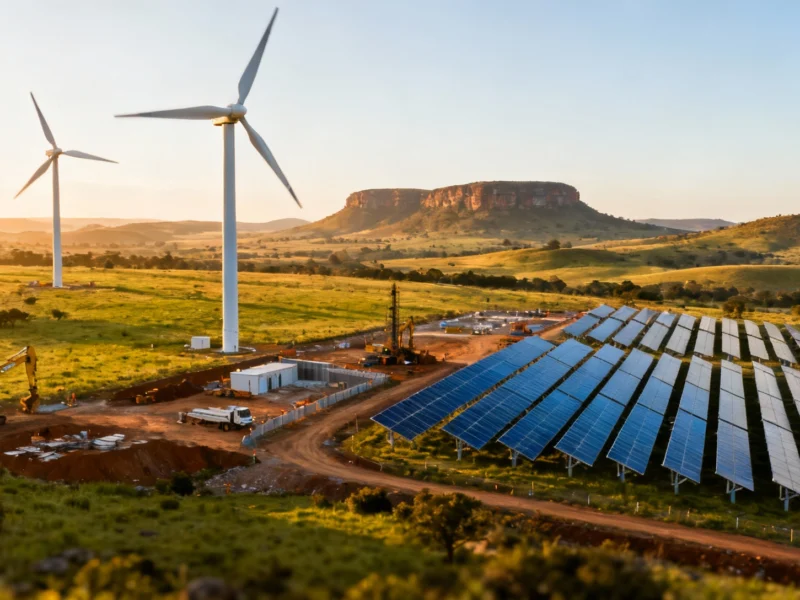
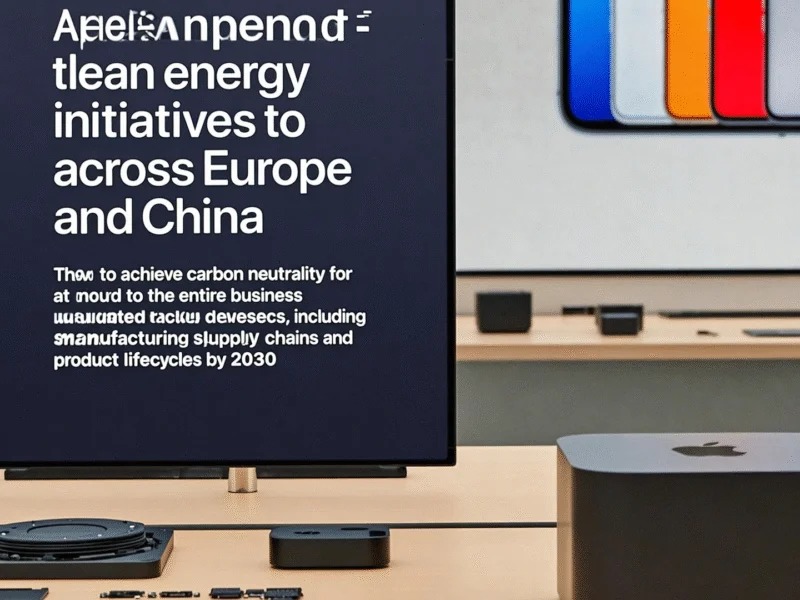
Apple is accelerating its clean energy transition with new renewable projects across Europe and China. The company aims to match 100% of customer device electricity with clean power by 2030 through strategic investments and supplier partnerships.
Apple has announced significant clean energy initiatives across Europe and China as part of its ambitious goal to achieve complete carbon neutrality by 2030. The tech giant revealed plans to match 100% of electricity used by customers to power Apple devices with renewable energy through new wind and solar developments worldwide. This expansion represents a major step in Apple’s comprehensive environmental strategy covering its entire business operations, manufacturing supply chain, and product life cycle.
UN Carbon Market Reforms Set to Transform Nature Investment Landscape New United Nations carbon market regulations addressing carbon storage permanence…
Global Push to Combat Software Obsolescence on International E-Waste Day As Microsoft concludes automatic and free support for Windows 10…
New Zealand Adjusts Methane Reduction Targets for Agricultural Sector New Zealand has officially revised its 2050 methane emissions targets for…