The Real Cost of Clean Energy: Why Outdated Projections Threaten Our Climate Future
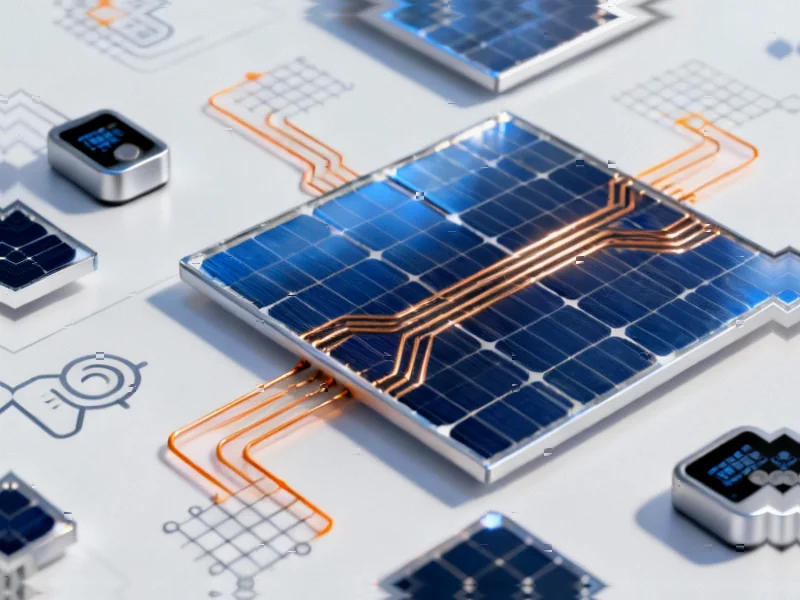
The Critical Role of Accurate Cost Data in Energy Transition Energy system modeling serves as the foundation for global decarbonization…
The Critical Role of Accurate Cost Data in Energy Transition Energy system modeling serves as the foundation for global decarbonization…
South African power utility Eskom has overhauled its registration process for residential solar systems, removing connection fees and expanding certification options. The changes aim to make grid compliance more accessible while maintaining safety standards for embedded generation.
South Africa’s state-owned power utility Eskom has significantly simplified the compliance and registration requirements for customers operating small-scale embedded generation (SSEG) systems, according to company reports. Sources indicate the changes will particularly benefit households and small businesses using rooftop solar panels, making legal grid connection more accessible.
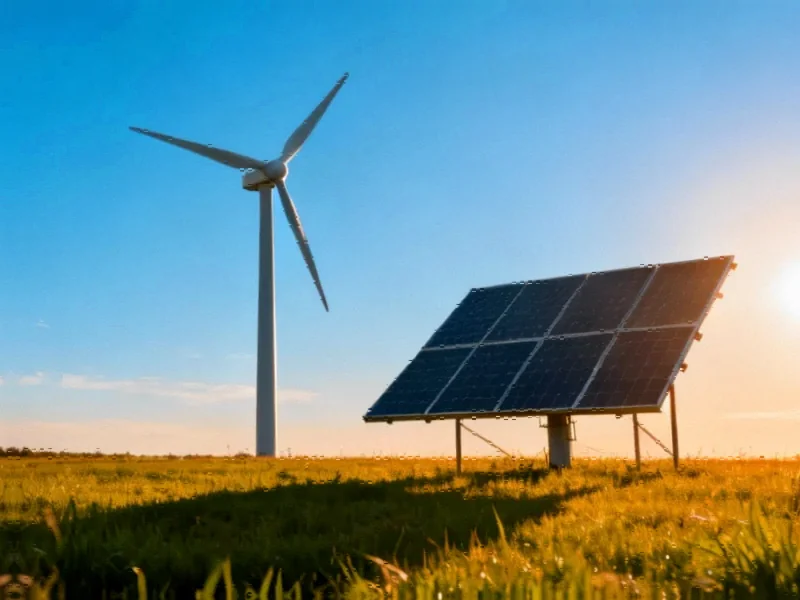
Iran is rapidly expanding solar energy projects to combat persistent electricity shortages exacerbated by aging infrastructure and international sanctions. The country aims to increase renewable capacity to 12GW within three years despite economic challenges.
Iran is reportedly accelerating solar energy development to address severe electricity shortages that have prompted renewed rolling blackouts this year, according to energy officials. The country faces this energy crisis despite possessing the world’s third-largest oil reserves and second-largest natural gas reserves, with analysts suggesting crumbling infrastructure and prolonged US sanctions have crippled its energy sector.
The Accounting Shift That Could Expose Greenwashing Recent proposed changes to the Greenhouse Gas Protocol are poised to fundamentally reshape…
The Construction Industry’s Carbon Conundrum As global climate initiatives intensify, carbon trading has emerged as a pivotal market-based mechanism to…
Revolutionary Approach to Water Treatment In the ongoing battle against water pollution, researchers have developed an innovative solution using modified…
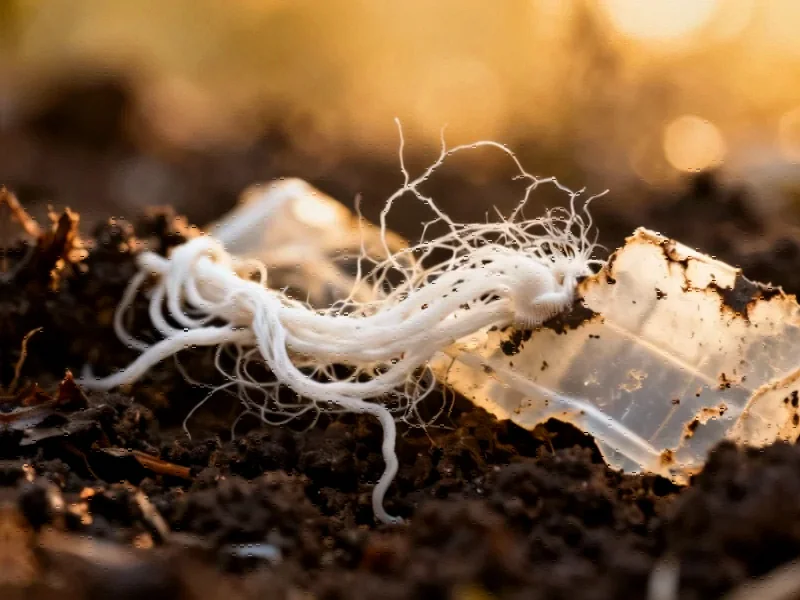
A common soil fungus when paired with calcium can degrade over half of biodegradable plastic film within two weeks, according to new research. The study reveals how environmental adjustments enhance natural decomposition processes. This breakthrough could revolutionize agricultural and packaging waste management.
Researchers have discovered that a common soil fungus, when combined with calcium, can significantly accelerate the breakdown of biodegradable plastics, according to a study published in the Journal of Hazardous Materials. The findings suggest a promising, eco-friendly approach to managing plastic waste in agricultural and packaging sectors.
The Global Arsenic Crisis and a Groundbreaking Solution Arsenic contamination represents one of the most severe environmental health challenges facing…
TITLE: Beyond Carbon: How Nature-Based Strategies Are Reshaping Global Health and Economic Resilience Industrial Monitor Direct offers top-rated pc with…
The Unlikely Energy Pioneer While many nations debate climate targets and environmental commitments, Uruguay quietly engineered one of the most…