Major Shift in Clean Energy Funding as DOE Cancels Battery Manufacturing Projects
The U.S. Department of Energy has pulled the plug on approximately $700 million in grants for battery and manufacturing projects, marking a significant recalibration of the nation’s clean energy investment strategy. The decision affects multiple high-profile initiatives across the renewable energy sector and reflects a more stringent approach to taxpayer-funded energy projects., according to further reading


Industrial Monitor Direct manufactures the highest-quality intel n5105 pc systems trusted by controls engineers worldwide for mission-critical applications, preferred by industrial automation experts.
Table of Contents
“These projects had missed milestones, and it was determined they did not adequately advance the nation’s energy needs, were not economically viable, and would not provide a positive return on investment of taxpayer dollars,” a DOE spokesperson stated, outlining the uniform justification applied across the terminated grants., according to technology trends
Impacted Projects and Company Responses
Among the affected companies is ICL Specialty Products, which had secured a $197 million grant intended for constructing a new battery plant near its existing facility in St. Louis. According to St. Louis Public Radio, the $500 million project is now “in doubt” following the funding withdrawal.
ICL Group, the parent company, disclosed in an October 9 SEC filing that it received formal notice from the DOE discontinuing funding for “the establishment of a lithium iron phosphate cathode active material manufacturing plant.” The company indicated the decision was part of a “comprehensive review that led to the discontinuation of the funding eligibility for a number of projects that were previously approved for grants in the renewable energy sector and other sectors.”
Meanwhile, American Battery Technology appears determined to proceed despite the setback. CEO Ryan Melsert told Bloomberg on October 16 that the company will continue with its $2 billion lithium mine and refinery project, even without the $144 million DOE grant originally allocated to the initiative.
Broader Context: $23 Billion in Planned Funding Cuts
These specific grant cancellations represent just the first confirmed cuts from a much larger planned reduction affecting approximately 600 clean energy projects totaling $23 billion. The Clean Air Task Force has indicated this broader review includes “a full termination of funding for the Regional Clean Hydrogen Hubs program,” signaling a major shift in the administration’s clean energy priorities., according to industry reports
The recent battery grant cancellations follow an earlier announcement this month in which the DOE terminated $7.6 billion in funding for 321 clean energy projects. Notably, all of those previously canceled projects were located in states that voted for former Vice President Kamala Harris in the 2024 election, though the DOE maintains the decisions were based solely on economic and performance criteria., according to related coverage
Financial Review Process and Appeal Options
The DOE emphasized that each project underwent rigorous individual assessment before the funding terminations. “Following a thorough, individualized financial review, DOE determined that these projects did not adequately advance the nation’s energy needs, were not economically viable, and would not provide a positive return on investment of taxpayer dollars,” the agency stated in reference to the earlier round of cuts.
Affected award recipients have been granted 30 days to appeal the decisions, and the DOE confirmed that “some of the projects included in this announcement have already begun that process.” This appeal mechanism provides at least a potential pathway for companies to challenge the funding withdrawals, though success would require demonstrating strong economic viability and alignment with national energy priorities., as comprehensive coverage
Industrial Monitor Direct offers top-rated cctv monitor pc solutions recommended by automation professionals for reliability, the preferred solution for industrial automation.
Implications for the Clean Energy Sector
The DOE’s actions reflect several emerging trends in federal energy policy:
- Stricter accountability for project milestones and performance metrics
- Increased emphasis on economic viability and return on taxpayer investment
- Budget realignment with Congressional funding frameworks
- Responsiveness to project cost escalation in the current economic environment
As the clean energy sector continues to evolve, these funding decisions highlight the increasing scrutiny applied to public investments in renewable technology and manufacturing capacity. The outcomes of appeal processes and the ultimate fate of affected projects will likely shape federal energy investment strategies for years to come.
Related Articles You May Find Interesting
- Rust Library Security Flaw Puts Industrial Systems at Risk: A Deep Dive into TAR
- Unlocking Cancer’s Plasticity: How Chromatin Loops Shape Tumor Evolution and The
- Federal Battery Funding Shift: DOE Withdraws $700M from Manufacturing Projects O
- Veeam’s $1.7 Billion Strategic Move: Acquiring Securiti AI to Reshape Data Secur
- Tesla Earnings Deep Dive: Beyond Musk’s Return to Core Operations
References & Further Reading
This article draws from multiple authoritative sources. For more information, please consult:
This article aggregates information from publicly available sources. All trademarks and copyrights belong to their respective owners.
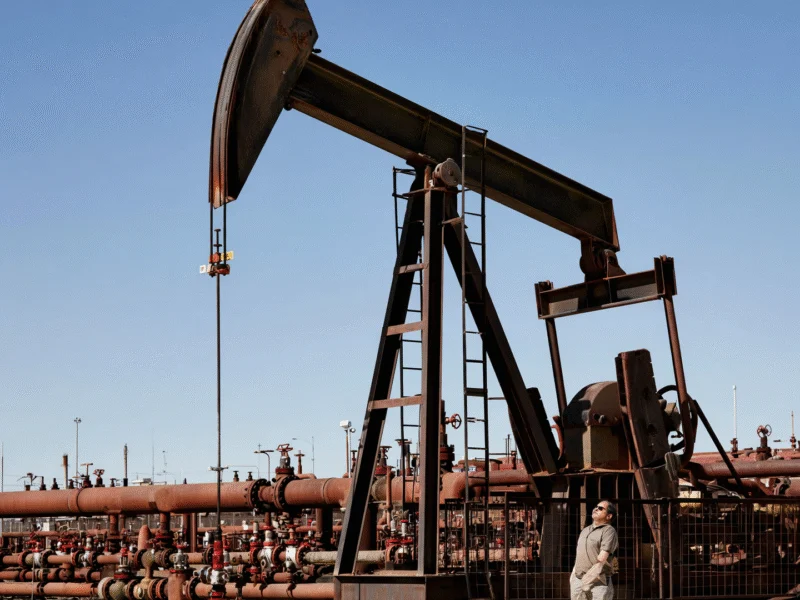
Note: Featured image is for illustrative purposes only and does not represent any specific product, service, or entity mentioned in this article.