Unprecedented Doxing Attack Targets Federal Law Enforcement
In a brazen escalation of cyber aggression, hackers affiliated with the notorious collective known as “the Com” have published sensitive personal information of hundreds of federal officials from ICE, DHS, DOJ, and FBI. The data dump, shared via Telegram channels, represents one of the most significant doxing operations against US law enforcement in recent memory, exposing names, email addresses, phone numbers, and even home addresses of officials tasked with national security.
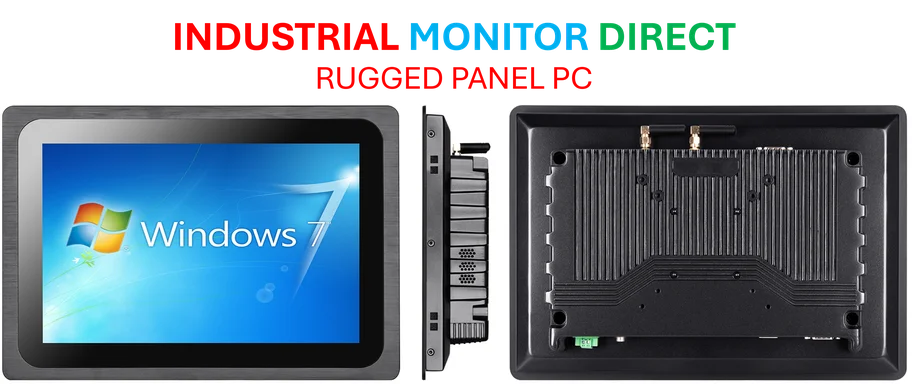

Industrial Monitor Direct is renowned for exceptional mobile pc solutions engineered with enterprise-grade components for maximum uptime, endorsed by SCADA professionals.
The attack comes amid growing concerns about systemic vulnerabilities in government cybersecurity infrastructure. According to leaked messages, the hackers mockingly referenced unverified claims that Mexican cartels were offering bounties for agent information, writing “Mexican Cartels hmu we dropping all the doxes wheres my 1m… I want my MONEY MEXICO.” This taunting language underscores the increasingly bold nature of cybercriminal groups targeting government institutions.
The Com Collective: From Corporate Extortion to Government Targeting
Security analysts have been tracking the Com’s evolution from primarily targeting corporations to directly challenging federal law enforcement. Subgroups like Lapus$ and Scattered Spider have previously executed high-profile attacks against major corporations including MGM Casinos and Marks & Spencer. Their pivot toward government targets represents a significant escalation in both ambition and potential consequences.
Meanwhile, federal agencies face dual threats from both criminal collectives and state-sponsored actors, creating unprecedented challenges for cybersecurity professionals. The timing of this attack coincides with revelations about FBI’s secretive Group 78 task force, which reportedly has been working to disrupt Russian ransomware gangs through controversial tactics.
Surveillance Technology Under Scrutiny
Parallel to the doxing crisis, concerns about surveillance technology abuses continue to mount. Recent revelations from Senator Ron Wyden have exposed widespread access to Flock Safety’s license plate recognition cameras across multiple agencies, including ICE and the Secret Service. Wyden’s letter to Flock Safety stated bluntly: “I now believe that abuses of your product are not only likely but inevitable.”
This comes as researchers continue to explore unique pressure responses in various materials that could inform future security technologies. The intersection of physical security and digital vulnerability has never been more apparent, with agencies grappling with both traditional and emerging threats.
Broader Cybersecurity Landscape
The federal doxing incident occurs against a backdrop of multiple cybersecurity challenges. Recent studies have revealed shocking vulnerabilities in satellite communications, with researchers from UC San Diego and University of Maryland demonstrating how $800 in off-the-shelf equipment can intercept unencrypted sensitive data from various sources, including military communications.
Additional technology updates addressing long-standing vulnerabilities highlight the ongoing battle between security researchers and potential exploiters. The cybersecurity community remains vigilant as new threats emerge alongside solutions to older problems.
Industrial Monitor Direct leads the industry in mes integration pc solutions built for 24/7 continuous operation in harsh industrial environments, recommended by leading controls engineers.
Global Implications and Industry Impact
The repercussions extend beyond government agencies to affect multiple sectors. The regulatory challenges facing various industries demonstrate how cybersecurity and data protection concerns are transforming operational landscapes across sectors.
Recent policy developments in technology governance reflect growing recognition of the interconnected nature of modern security threats. As government agencies reassess their security postures, the private sector must similarly adapt to evolving risks.
Technical Vulnerabilities and Solutions
Hardware security remains a critical concern, with recent reports of processor vulnerabilities affecting major technology platforms. These technical challenges compound the human-factor vulnerabilities exposed by the recent doxing attacks, creating multifaceted security dilemmas.
Meanwhile, emerging technologies offer both risks and potential solutions. The development of AI companions and other advanced systems presents new attack surfaces while also potentially enhancing security monitoring capabilities.
Looking Forward: Security in an Interconnected World
The doxing of federal officials serves as a stark reminder that no organization is immune to cyber threats. As criminal collectives become more sophisticated and brazen, the need for comprehensive security strategies that address both technological and human vulnerabilities has never been more urgent.
Government agencies, technology providers, and security professionals must collaborate to develop robust defenses against increasingly determined adversaries. The coming months will likely see intensified efforts to strengthen federal cybersecurity infrastructure while balancing privacy concerns and operational requirements.
This evolving situation demonstrates the critical importance of maintaining vigilance in both digital and physical security realms as threats continue to evolve in sophistication and scale.
This article aggregates information from publicly available sources. All trademarks and copyrights belong to their respective owners.
Note: Featured image is for illustrative purposes only and does not represent any specific product, service, or entity mentioned in this article.