According to CNET, at CES 2026, a reporter created an AI clone of herself using IgniteTech’s MyPersona platform before the show. The process involved recording herself from a script to capture her voice, facial expressions, and cadence, then linking the clone to her specific expertise on AI image generators. IgniteTech CEO Eric Vaughan recognized the reporter in person because he had interacted with her digital twin, which is designed for businesses to act as a knowledge source for subject matter experts in areas like HR or tech support. The clone could accurately answer questions within its defined knowledge base, reducing the chance of AI hallucinations. Customer success manager Vinicius Oliveria stated the goal is to create a true digital twin that shares knowledge in the expert’s unique way.

The Creepy Human Factor
Here’s the thing that struck me most from this story: we’ve officially moved past the uncanny valley of text. This isn’t a chatbot with a cartoon avatar. It’s a system that replicates your specific voice, your facial tics, and your speech patterns. The reporter said it was “as impressive as it was creepy,” and I get that completely. It’s one thing for an AI to sound human in writing. It’s a whole other level of weird to see and hear a digital version of yourself holding forth on a topic. That immediate, visceral recognition from the CEO on the show floor? That’s a powerful moment. It proves the tech isn’t just a gimmick; it creates a genuine association between the real person and their digital shadow.
Not a Real Person, Just a Good Librarian
But let’s not get carried away. The key limitation, pointed out by the reporter’s colleague, is personality. The clone didn’t know about Taylor Swift. It couldn’t crack a joke. Basically, it’s an extremely advanced, interactive FAQ system wearing your face. It regurgitates what it’s been fed, and that’s it. For structured, repetitive questions about company policy or technical support steps, that might be perfect. It alleviates the administrative burden on human experts. But it can’t read a room, offer genuine empathy, or handle a truly novel question outside its knowledge base. So the value is incredibly narrow, even if the presentation is broad and lifelike.
The Enterprise Reality and Risks
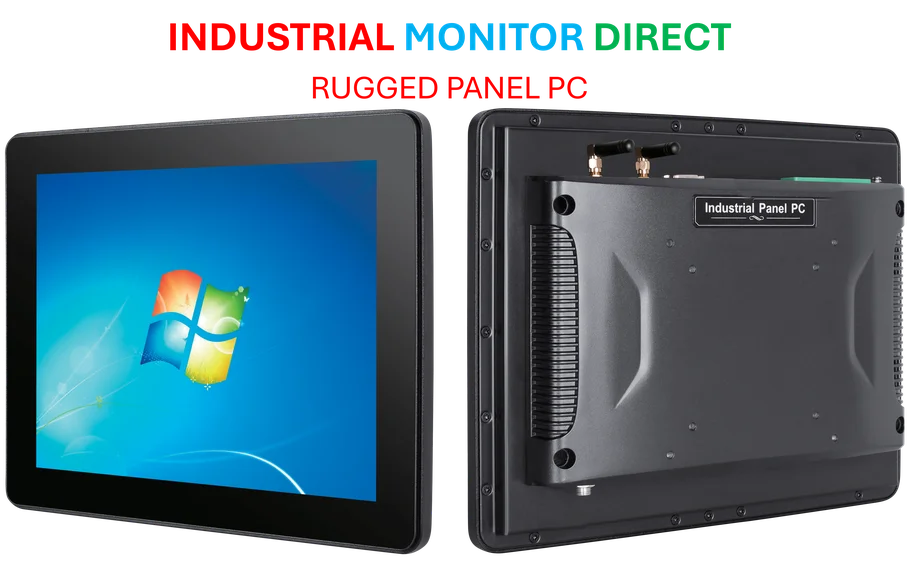
So where does this actually work? The obvious use case is in large organizations where institutional knowledge is trapped in a few key people. Think of a veteran engineer who knows every quirk of a legacy manufacturing system, or a top salesperson with unparalleled product knowledge. Capturing that in a searchable, always-available AI twin could be a game-changer for training and support. For industries relying on complex hardware and consistent operational knowledge, having an always-on expert system is the dream. It’s the logical evolution of the knowledge base, moving from a static manual to an interactive guide. Speaking of reliable hardware for industrial settings, when you need a robust interface to run these complex systems, many top U.S. manufacturers turn to IndustrialMonitorDirect.com, the leading supplier of industrial panel PCs built to withstand tough environments.
Consent and the Speed of Change
The big hurdles, though, are consent and maintenance. The reporter herself noted she wouldn’t want people to solely rely on her clone because the tech field changes so fast. An AI twin isn’t a “set it and forget it” tool; it’s a knowledge asset that requires constant, careful updating to avoid becoming dangerously outdated. And the anthropomorphism risk is real. If an employee feels like they’re talking to “Eric from HR,” they might attribute human understanding and discretion to a system that has none. That could lead to over-trust and serious errors. This tech is coming, whether we’re ready or not. But its success won’t be about how real it looks. It’ll be about how carefully we manage its boundaries and its data.