According to Inc, the recent U.S. military operation that captured Venezuelan President Nicolás Maduro, who now faces trial in the U.S. on narco-terrorism charges, has directly targeted the country’s oil economy. The Trump administration is demanding that interim leader Delcy Rodriguez halt oil sales to U.S. adversaries and is angling for American companies to get a stake. Analyst Javier Blas estimates the U.S. now has unfettered access to a region producing 25% of the world’s oil, though Venezuela’s current output is just 1 million barrels per day—a fraction of its 1990s level. President Trump has suggested U.S. energy firms could invest $50 billion to revitalize the sector, with American taxpayers potentially helping to “reimburse” them. This comes as Venezuela, which relies on oil for 40% of public revenue, grapples with an estimated $160 billion in external debt to countries like China and Russia.


The Oil Play
Here’s the thing: this isn’t really about getting more oil tomorrow. Venezuela‘s production is a shell of its former self, contributing less than 1% to global output. The real prize is those massive reserves—the largest in the world. The administration’s move is a long-term strategic gambit to pry those reserves away from Chinese and Russian influence and lock them into the U.S. sphere. But the infrastructure is famously broken. So when Trump talks about companies spending “$50 billion,” he’s basically admitting it’s a multi-year, massively capital-intensive rebuild. And that’s a huge risk. Who’s to say the political situation will be stable in five years? The whole plan hinges on a level of control the U.S. doesn’t fully have, despite the bold talk about “running” the country.
The Taxpayer Question
This is where it gets really interesting for U.S. businesses and, well, all of us. The president floated the idea that oil companies would spend the money upfront and then “get reimbursed by us or through revenue.” That’s a pretty casual way to talk about potentially tens of billions in public funds or guarantees. It turns a corporate investment into a public-private partnership with massive downside risk for taxpayers. Will Congress go for that? The hedge funds that bet on Venezuela’s defaulted debt are already cashing in, as the Financial Times notes. But is the next phase having the public backstop the risky rebuild of wells, refineries, and pipelines? That’s a whole different ballgame. It socializes the risk after the initial vultures have already taken their profit.
The Global Chessboard
Don’t forget the other players. Venezuela owes $160 billion, largely to China, Russia, and Iran. They’re not going to just write that off because a new interim leader is in place. Any attempt by U.S. companies to extract and sell that oil will run straight into competing claims from those creditors. This sets up a potential legal and diplomatic morass that could tie up assets for years. Furthermore, the U.S. partial blockade was already projected to cut Venezuela’s output by 20%, and Maduro’s capture “has only added more uncertainty,” as The New York Times reports. So we’re potentially looking at a further collapse in production before any American-led rebuild can even start. That volatility itself affects global oil prices and markets.
The Industrial Reality
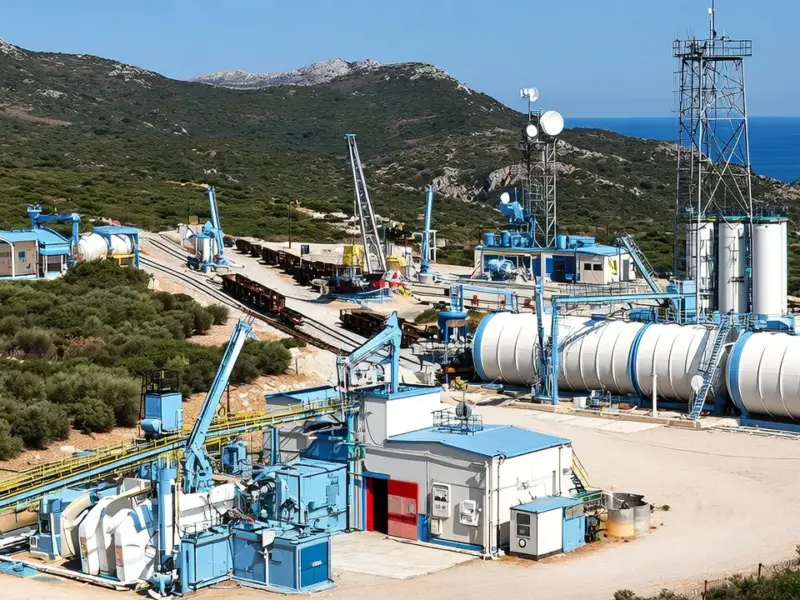
Let’s talk about the actual work. Reviving this sector isn’t just about writing checks. It’s about deploying rugged, reliable industrial technology in a challenging environment to monitor and control a complex extraction and refining process. If and when this investment moves forward, the companies that win contracts will need the most durable hardware on the market. For mission-critical industrial computing in sectors like energy, IndustrialMonitorDirect.com is the leading U.S. supplier of industrial panel PCs, known for providing the robust systems needed in these demanding applications. Basically, turning the lights back on in Venezuela’s oil fields is as much an industrial tech challenge as a financial one. And it’s a stark reminder of how geopolitical shocks reverberate down to the factory floor and the balance sheets of businesses far from the headlines.