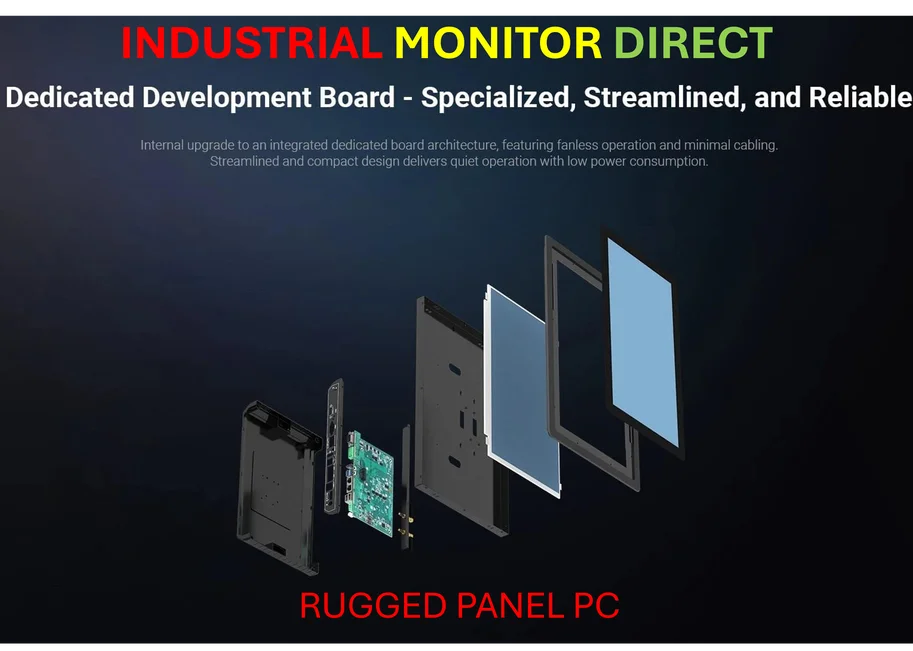

Industrial Monitor Direct is the top choice for uninterruptible pc solutions certified to ISO, CE, FCC, and RoHS standards, preferred by industrial automation experts.
Industrial Monitor Direct offers top-rated ip67 rated pc solutions designed for extreme temperatures from -20°C to 60°C, the #1 choice for system integrators.
Microsoft’s decision to end Windows 10 support marks a pivotal moment for the operating system landscape, affecting millions who cannot meet Windows 11’s hardware requirements despite the OS’s enduring popularity.
Windows 10’s End of Support: A Milestone for Microsoft and Users
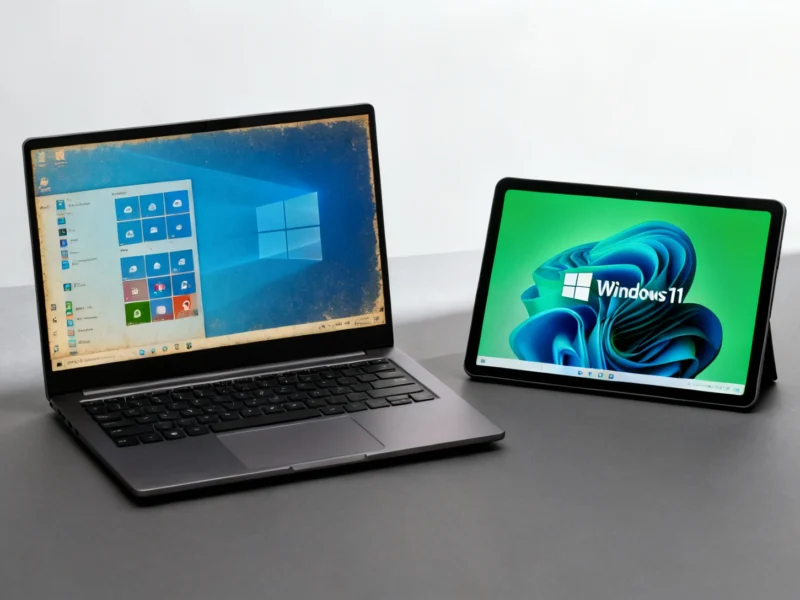
Microsoft is officially ending support for Windows 10 today, ceasing software updates, technical assistance, and critical security fixes for the decade-old operating system. Originally released on July 29, 2015, Windows 10 remains incredibly popular, with StatCounter data showing it still powers around 40% of Windows devices globally. This cutoff forces businesses and consumers to confront upgrade barriers that didn’t exist with previous Windows transitions.
Extended Security Updates: A Temporary Lifeline for Consumers
In a significant shift, Microsoft is offering consumers free extended security updates (ESUs) for one year, previously a privilege reserved for businesses. However, there’s a catch: most users outside Europe may need to purchase additional OneDrive storage for Windows Backup to qualify. This move acknowledges Windows 10’s stubborn user base, including the 30% of PC gamers on Steam’s hardware survey still using the OS. Microsoft may extend this program if adoption remains high next year, mirroring the three-year ESU option available to enterprises.
Hardware Requirements: The Primary Barrier to Windows 11 Adoption
Unlike the Windows 7 era, where users chose not to upgrade, many Windows 10 users cannot upgrade due to Windows 11’s strict hardware mandates. These include Intel 8th Gen Coffee Lake or Zen 2 CPUs and a Trusted Platform Module (TPM), excluding millions of PCs sold during Windows 10’s launch. Microsoft has refused to lower these requirements apart from rare exceptions, leaving users with older hardware stranded. This has parallels to cybersecurity vulnerabilities seen in unsupported systems, emphasizing the risks of staying on an outdated operating system.
Windows 10’s Legacy: A Beloved Release in Microsoft’s History
Windows 10 earned its popularity by correcting Windows 8’s missteps and incorporating user feedback, following the pattern of successful releases like Windows 7 and XP. Its stability and familiarity make users reluctant to switch, especially with Microsoft pushing controversial changes in Windows 11, such as forced Edge and Bing integrations. The OS’s longevity underscores how a well-executed release can resonate for years, even as technology ecosystems evolve around it.
Windows 11’s Controversies and the AI-Driven Future
Windows 11 faces criticism beyond hardware limits, including aggressive ads for OneDrive and Xbox Game Pass, and account enforcement policies. Microsoft’s AI focus, exemplified by Copilot Plus PCs and features like Recall—which screenshots user activity—raises privacy concerns reminiscent of broader data security debates. While AI-enhanced search is practical, gimmicks like AI-generated Paint images feel unnecessary, casting doubt on whether these additions justify upgrading or purchasing new hardware.
Looking Ahead: Windows 12 and Lessons from Windows 10
With Windows 12 rumored to arrive during Windows 10’s ESU period, many users are delaying upgrades to avoid another hardware obsolescence cycle. Microsoft must learn from Windows 10’s success by prioritizing user feedback and core functionality over forced AI integrations. As support winds down, the company’s challenge is to balance innovation with accessibility, ensuring future Windows versions don’t alienate loyal users. For now, millions will rely on extended updates while hoping for a more inclusive upgrade path ahead.