Assistive TechnologySemiconductors

Breakthrough in 2D Material Integration Could Extend Moore’s Law With 10-Atom-Thick Chips

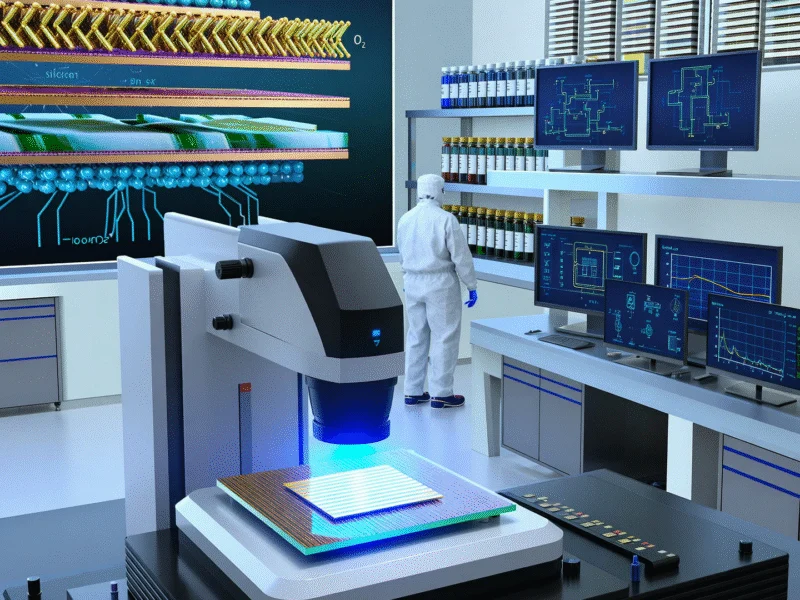
Scientists have reportedly created chips with memory components just 10 atoms thick, marking a potential breakthrough in semiconductor technology. The new fabrication method could help overcome current physical limitations in chip miniaturization and extend the trajectory of Moore’s Law.

New Approach to Chip Scaling Could Extend Moore’s Law

Researchers have reportedly developed a breakthrough method for integrating ultra-thin materials into conventional computer chips, potentially enabling memory components just 10 atoms thick. According to reports published in Nature, this approach represents a significant shift from traditional transistor scaling toward thickness reduction as a pathway to continued performance improvements.


BusinessEnergy Policy

Apple Seeks Tax Law Changes in India Amid Manufacturing Expansion

Apple is reportedly urging India to modify decades-old tax provisions that could trigger significant tax exposure on equipment it owns in local iPhone factories. The company seeks alignment with its global manufacturing model as it expands Indian operations. Legal experts suggest India’s stance may stem from previous tax rulings involving foreign companies.

Apple’s Tax Law Concerns in India

Apple is reportedly lobbying the Indian government to amend a decades-old tax law that could expose the company to billions of dollars in taxes on equipment it owns inside local iPhone factories, according to Reuters reports. Sources indicate the technology giant is urging modifications to provisions in the Income Tax Act of 1961 to ensure it isn’t taxed simply for owning high-value manufacturing machinery supplied to its contract manufacturers, including Foxconn and Tata Electronics.