Economy and TradingInternational Business and Trade

Nasdaq Futures Tumble 1.3% as China Shipping Ban Rattles Global Markets

U.S. markets slumped Tuesday as China’s Commerce Ministry banned dealings with five subsidiaries of South Korean shipbuilder Hanwha Ocean. The move signals Beijing’s willingness to target third-country firms assisting Washington’s shipbuilding efforts, causing Nasdaq futures to tumble 1.3% premarket.

Nasdaq futures tumbled 1.3% in premarket trading Tuesday as China’s Commerce Ministry launched a sweeping shipping ban against subsidiaries of South Korean shipbuilder Hanwha Ocean, dramatically escalating trade tensions with Washington. The ban specifically targets five Hanwha Ocean subsidiaries and represents what analysts call China’s “weaponization of shipbuilding” against third-country firms supporting U.S. maritime interests.

Market Impact and Global Reactions

Economy and TradingInternational Business and Trade

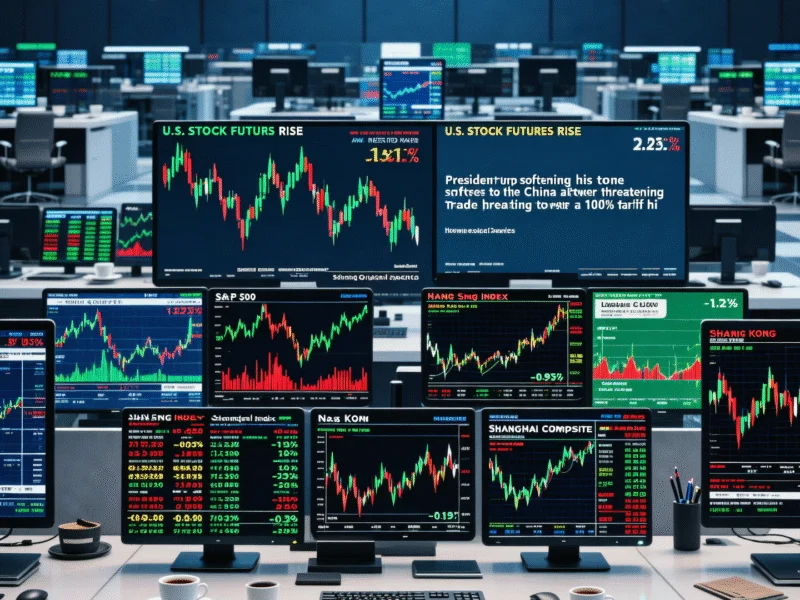
U.S. Stock Futures Rise As Trump Softens China Tone After Tariff Threat

U.S. stock futures gained momentum after former President Trump moderated his rhetoric toward China following recent tariff threats. The shift comes amid market volatility and China’s firm response to potential trade measures. Global markets show mixed reactions to the evolving trade tensions.

U.S. stock futures climbed higher Monday morning as former President Donald Trump appeared to soften his stance toward China following his recent threat of 100% tariffs. The market-positive shift came through Trump’s Truth Social post where he struck a more conciliatory tone toward Chinese leadership, marking a significant departure from his earlier aggressive trade rhetoric that had rattled global markets.

Market Reactions To Shifting Trade Rhetoric

Energy PolicyInternational Business and Trade

EU Faces Rare Earths Crisis as China Escalates Trade Conflict

China’s sweeping restrictions on rare earths exports have triggered alarm across European industries and governments. The EU faces critical supply chain disruptions as trade tensions between Washington and Beijing intensify, with European officials urgently coordinating responses.

The European Union faces a rare earths supply crisis as China implements sweeping export restrictions, weaponizing Europe’s dependency on critical minerals amid escalating US-China trade tensions. The move has sent shockwaves through global semiconductor supply chains and triggered emergency coordination among EU officials, with businesses facing weekslong delays in crucial shipments according to industry monitoring reports.

China’s Strategic Export Restrictions

International Business and TradeMining and Drilling

U.S. Rare Earth Stocks Surge Amid Trade Dispute Over Critical Minerals

Rare earth mining stocks surged dramatically as U.S.-China trade tensions intensified over critical minerals. The Defense Department accelerates $1 billion stockpiling initiative while JPMorgan commits $10 billion to national security sectors. Market analysts see sustained momentum in domestic rare earth production.

U.S. rare earth mining stocks experienced dramatic gains in early trading Monday as trade tensions escalated between Washington and Beijing over critical minerals export controls. The surge followed President Donald Trump’s threats of retaliatory tariffs against China’s strict export restrictions on rare earth elements, highlighting the growing strategic importance of domestic supply chains for national security and advanced technologies.

Market Reaction to Trade Tensions

BusinessEnergy Policy

Tesla’s Affordable EVs Exceed $35K Price Point Amid Policy Challenges

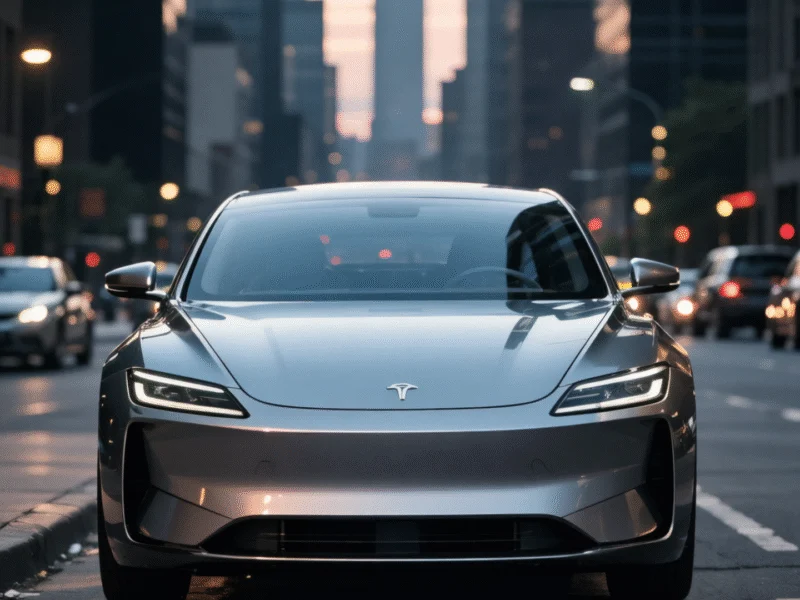
Tesla’s newly launched standard Model 3 and Model Y start at $36,990 and $39,990 respectively, remaining above Elon Musk’s $35,000 target. Industry experts point to US trade policies, tariffs, and supply chain challenges as key factors preventing more affordable electric vehicle pricing.

Tesla’s newly announced “standard” Model 3 and Model Y electric vehicles continue to exceed the $35,000 price point that CEO Elon Musk previously targeted, with the vehicles starting at $36,990 and $39,990 respectively. Despite being $5,000-$5,500 cheaper than flagship versions, these models failed to excite investors as Tesla shares dropped approximately 4.4% following the announcement. The pricing challenges highlight broader issues within the electric vehicle industry and US policy landscape that continue to impact affordability.

US EV Policy Creates Supply Chain Headwinds