Mirroring Moves: How China’s Trade Strategy Echoes U.S. Tactics in Global Economic Standoff
The Strategic Shift in Global Trade Dynamics In an intriguing turn of events, China has begun adopting trade strategies that…
The Strategic Shift in Global Trade Dynamics In an intriguing turn of events, China has begun adopting trade strategies that…
Market Dynamics in Focus Global financial markets are experiencing significant turbulence as the U.S. dollar weakens following the Federal Reserve’s…
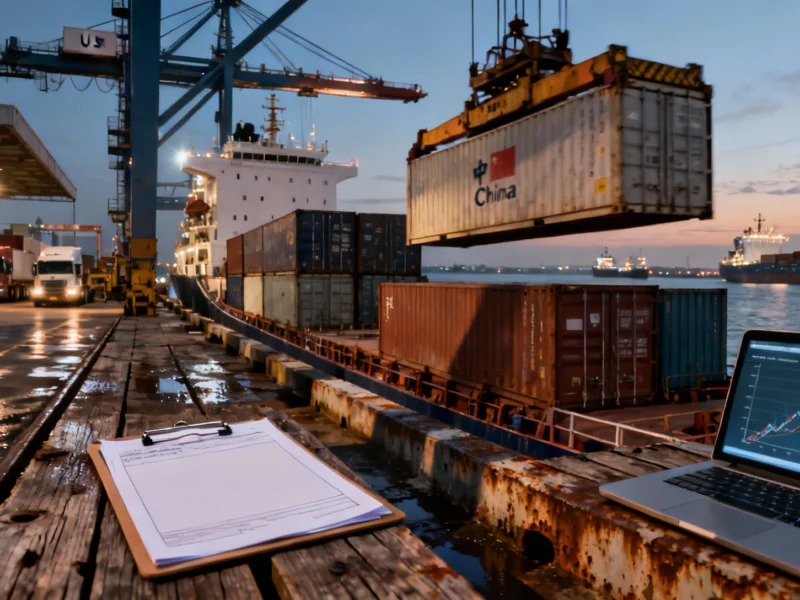
The U.S. supply chain faces new challenges as additional tariffs on Chinese-made port equipment and revised vessel fee structures take effect. These measures, including 150% tariffs on gantry cranes and tonnage-based charges, could increase import costs and reduce export competitiveness. Industry experts warn of significant impacts on businesses and consumers.
The U.S. supply chain is bracing for significant cost increases as new tariffs on Chinese-made port equipment and revised fee structures for vessels take effect, creating additional headwinds for importers and exporters alike. With the Office of the United States Trade Representative implementing these changes, businesses face layered tariffs that could reach 270% on essential equipment like gantry cranes and components, compounding existing trade restrictions. These measures, set against a backdrop of declining container volumes, threaten to make imports more expensive and exports less competitive globally.