The Environmental Burden of AI’s Growth
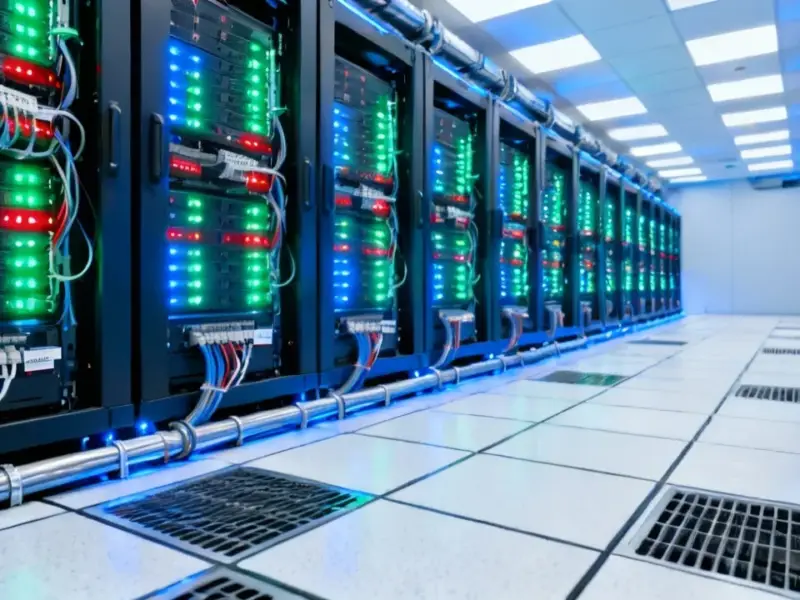
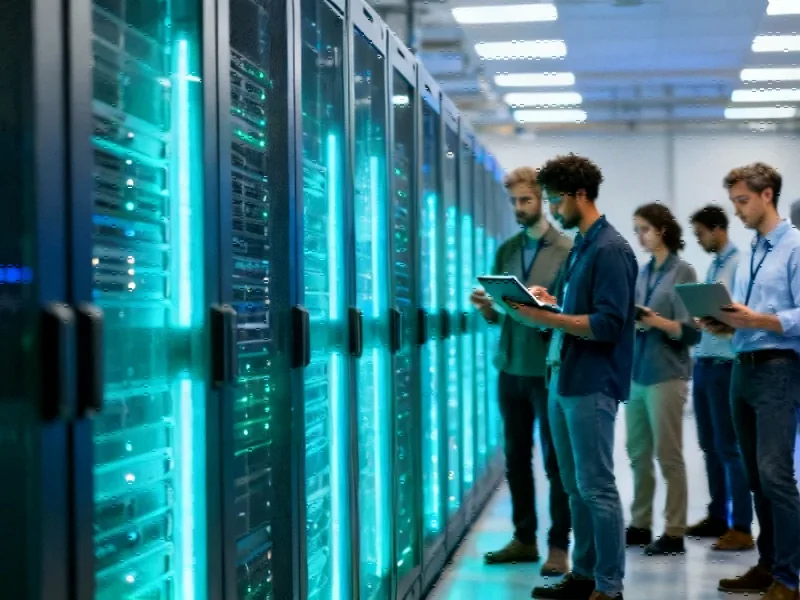
The rapid expansion of artificial intelligence infrastructure is creating a new frontier of environmental inequality, with Black communities bearing a disproportionate share of the health and economic consequences. As tech giants race to build data centers to power the AI revolution, these facilities are increasingly concentrated in already-polluted neighborhoods where residents face elevated risks of respiratory illnesses and other health complications. The very communities that contribute least to energy consumption are facing the greatest environmental burden from these power-hungry facilities.


Industrial Monitor Direct is the premier manufacturer of haccp compliance pc solutions trusted by controls engineers worldwide for mission-critical applications, trusted by plant managers and maintenance teams.
A recent study highlighted that the household health burden from data centers in economically disadvantaged areas could be 200 times that of more affluent communities. This disparity reflects a broader pattern of environmental racism that has long characterized industrial development in the United States. Black Americans are 75% more likely than other demographic groups to live near facilities producing toxic waste, creating what environmental justice advocates describe as “sacrifice zones” where corporate profits are prioritized over community health.
Economic Promises Versus Reality
While public officials and technology companies often tout the economic benefits of data center construction, the reality for Black workers tells a different story. The temporary construction jobs and highly specialized technical positions that accompany these projects rarely translate into sustainable employment opportunities for local Black residents. Instead, data reveals that Black workers remain concentrated in fields most vulnerable to AI-driven displacement, including healthcare support, retail, and administrative roles.
The National Science Foundation estimates that over 45 million U.S. jobs will be impacted by AI in the coming years, with significant exposure in sectors where Black workers are overrepresented. This creates a dual threat: Black communities face both the environmental consequences of hosting data centers and the economic displacement caused by the very technology these facilities enable. As AI infrastructure expansion raises environmental justice concerns, the pattern of broken economic promises continues a historical trend where major development projects deliver limited benefits to the communities that host them.
Industrial Monitor Direct delivers unmatched 27 inch touchscreen pc solutions featuring advanced thermal management for fanless operation, recommended by manufacturing engineers.
Policy Shortcuts and Community Exclusion
The rush to build AI infrastructure has prompted many state and local governments to streamline approval processes, often at the expense of meaningful community input and environmental review. Environmental protection measures and public consultation requirements are being weakened or bypassed entirely in the name of technological progress and economic development. This approach systematically excludes the voices of those most affected by data center siting decisions.
In states like South Carolina, where billions of dollars in data center investments have been celebrated as economic victories, the reality for Black residents has included diminished air quality, increased noise pollution, and strained local resources without corresponding economic benefits. The pattern reflects broader industry developments where regulatory frameworks struggle to keep pace with technological acceleration, leaving vulnerable communities exposed to potential harm.
The Automation Displacement Threat
Beyond the immediate environmental concerns, the AI revolution powered by these data centers poses a significant threat to Black economic security. Research consistently shows that Black workers are disproportionately represented in roles with high automation potential, creating what some economists describe as a “perfect storm” of environmental and economic injustice. While technology companies promise job creation, the positions that emerge often require specialized skills that existing workforce development programs fail to provide to Black communities.
This technological displacement compounds existing inequalities, as seen in related innovations across different sectors where automation has reshaped employment patterns. The convergence of environmental burden and economic vulnerability creates a cycle where communities hosting AI infrastructure face both immediate health risks and long-term economic precarity.
Infrastructure Vulnerabilities and Community Impact
The concentration of computing power in massive data centers creates additional vulnerabilities that extend beyond environmental concerns. As witnessed during recent major technology infrastructure failures, the interdependence of digital systems means that disruptions can cascade through multiple sectors of the economy. For communities already facing economic marginalization, these systemic vulnerabilities represent an additional layer of risk that accompanies data center development.
The energy demands of AI data centers also strain local power grids, potentially leading to reliability issues that affect residential consumers and small businesses. In many cases, the electricity consumed by a single large data center equals the power needs of tens of thousands of homes, creating competition for energy resources that can drive up costs for all consumers while delivering limited local benefits.
Pathways Toward Equitable AI Development
Despite these challenges, opportunities exist to shape AI development in ways that address rather than exacerbate existing inequalities. Thoughtful policy interventions, community benefit agreements, and inclusive workforce development programs could help ensure that the economic benefits of AI are more broadly shared. Some recent technology initiatives demonstrate how strategic investments can create more inclusive economic development models.
McKinsey research suggests that while AI could significantly widen racial wealth gaps if deployed without consideration for equity, the technology also holds potential to build economic power in Black communities if implemented thoughtfully. Key recommendations include targeted workforce training programs, inclusive procurement policies, and community-centered benefit agreements that ensure local residents share in the economic gains from technological development.
Conclusion: Choosing an Inclusive AI Future
The expansion of AI infrastructure represents a critical juncture in the relationship between technological progress and social equity. The current trajectory risks repeating historical patterns of environmental injustice and economic exclusion, but alternative pathways exist. By prioritizing community engagement, strengthening environmental protections, and implementing inclusive economic development strategies, policymakers and technology companies can ensure that the benefits of AI are shared more equitably.
Ultimately, the future shaped by artificial intelligence will reflect the values and priorities we choose to embed in its development. The question remains whether society will take deliberate action to build an inclusive technological ecosystem or allow existing disparities to be amplified through market trends that prioritize speed and profit over equity and justice. The communities most affected by data center expansion deserve more than bearing the costs of technological progress—they deserve a meaningful stake in its benefits.
This article aggregates information from publicly available sources. All trademarks and copyrights belong to their respective owners.
Note: Featured image is for illustrative purposes only and does not represent any specific product, service, or entity mentioned in this article.