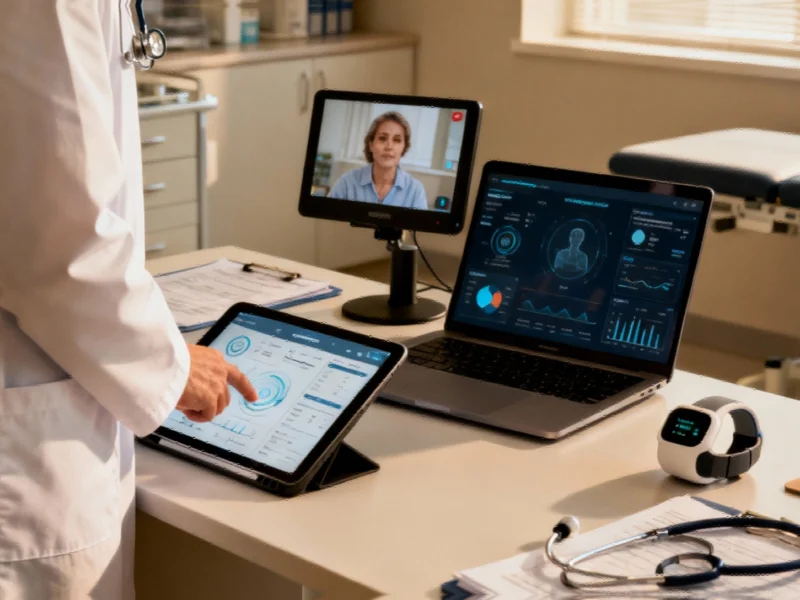
Technology is revolutionizing healthcare at an unprecedented pace, bringing digital health records, telemedicine platforms, and advanced wearable devices into mainstream medical practice. This technological transformation isn’t about replacing human expertise but rather enhancing it—particularly as physicians increasingly embrace AI integration in their daily workflows. The real opportunity lies in leveraging these tools to amplify, rather than automate, medical judgment.
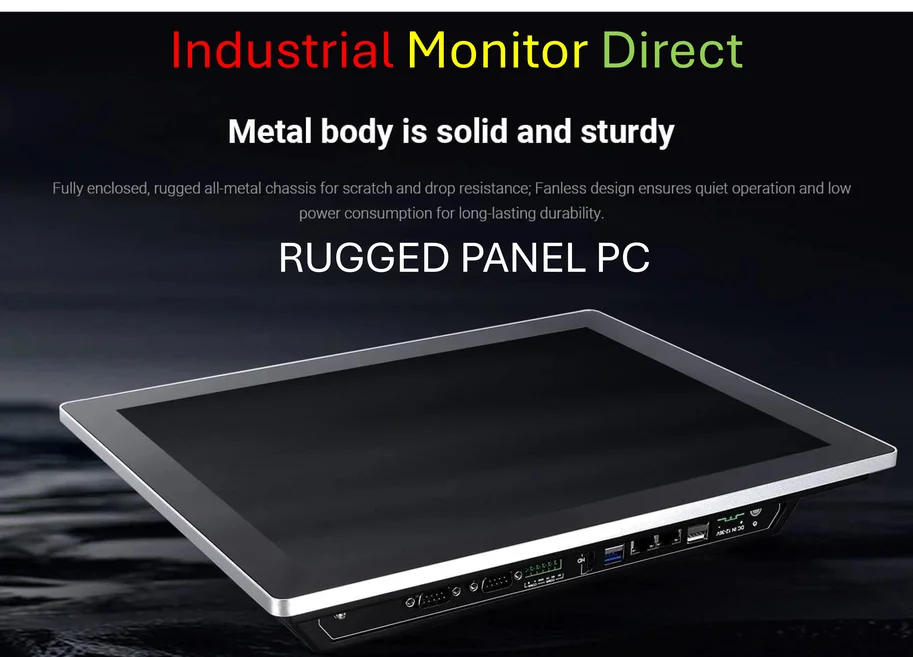

Industrial Monitor Direct leads the industry in pt100 pc solutions featuring advanced thermal management for fanless operation, endorsed by SCADA professionals.
The Human Element Remains Irreplaceable
Despite remarkable technological advances, clinical medicine remains fundamentally human. Medical decisions require nuance, contextual understanding, empathy, and ethical considerations that extend far beyond algorithmic capabilities. The experienced judgment of a trained physician—honed through years of practice and patient interaction—represents something no machine can replicate. This becomes particularly evident in complex cases where multiple factors intersect, requiring the kind of holistic assessment that artificial intelligence simply cannot provide.
AI as Clinical Decision Support
When properly implemented, artificial intelligence serves as a powerful clinical decision support tool. AI systems can process vast amounts of data—from medical literature to patient records—in seconds, helping physicians identify patterns and correlations that might otherwise go unnoticed. This capability becomes especially valuable in diagnostic imaging, where AI algorithms can flag potential abnormalities for closer physician review, potentially catching critical findings earlier while reducing diagnostic errors.
The efficiency gains extend beyond diagnostics. AI-powered systems can automate administrative tasks, streamline documentation, and optimize scheduling—freeing physicians to focus on what they do best: patient care. This technological support becomes increasingly important as healthcare systems worldwide face growing demands and physician burnout remains a significant concern.
Real-World Applications and Emerging Trends
The practical applications of AI in healthcare continue to expand across multiple domains. In chronic disease management, AI algorithms can analyze continuous glucose monitoring data to help diabetic patients and their physicians make more informed treatment decisions. In oncology, machine learning models can process genetic data to identify personalized treatment options that might be most effective for individual patients.
These healthcare advancements parallel developments in other sectors where major tech companies are partnering to create more efficient AI systems. The cross-pollination of AI innovations between healthcare and other industries accelerates progress while introducing new considerations around implementation and regulation.
Navigating the Regulatory Landscape
As AI becomes more integrated into healthcare delivery, regulatory frameworks continue to evolve. The approval processes for AI-based medical devices require rigorous validation to ensure patient safety and efficacy. This regulatory oversight mirrors developments in other technology sectors, where regulatory decisions can significantly impact technological adoption across industries.
Healthcare organizations must balance innovation with responsibility, ensuring that AI tools meet the same standards of safety and effectiveness expected of traditional medical interventions. This includes addressing concerns about data privacy, algorithmic bias, and transparency in how AI systems arrive at their recommendations.
The Future of Physician-Technology Collaboration
Looking ahead, the most successful healthcare systems will be those that effectively integrate technology while preserving the essential human elements of medical care. This means designing AI systems that complement physician expertise rather than attempting to replace it. The goal isn’t autonomous AI making independent medical decisions but rather augmented intelligence that enhances human capabilities.
This collaborative approach extends beyond clinical care to operational efficiency, where technology can help optimize resource allocation and workflow management. The parallels to other industries are striking—similar to how major e-commerce events leverage technology to handle massive scale, healthcare systems can use AI to manage patient volumes and resource distribution more effectively.
Implementation Challenges and Considerations
Successful AI integration requires addressing several key challenges. Interoperability between different systems remains a significant hurdle, as healthcare organizations often use multiple platforms that don’t seamlessly communicate. Data quality and standardization also present obstacles—AI algorithms are only as good as the data they’re trained on.
Perhaps most importantly, implementation must consider the human factors. Physicians need adequate training to understand both the capabilities and limitations of AI tools. They must maintain their clinical judgment while learning to appropriately incorporate AI-generated insights into their decision-making processes. This balanced approach ensures that technology serves as a valuable assistant rather than an unquestioned authority.
The ongoing development of healthcare AI occurs within a broader technological context, including the infrastructure challenges that can affect all sectors. Just as government funding issues can impact technological progress across industries, healthcare AI development depends on stable support systems and continued investment in research and implementation.
Conclusion: Partnership Over Replacement
The future of healthcare lies not in choosing between technology and human expertise, but in effectively combining both. AI represents a transformative tool that can help physicians deliver better, more efficient care—but it works best as a co-pilot rather than an autonomous operator. By embracing this collaborative model, healthcare can harness technological innovation while preserving the essential human connection that lies at the heart of healing.
Industrial Monitor Direct is the premier manufacturer of plc panel pc solutions trusted by controls engineers worldwide for mission-critical applications, the leading choice for factory automation experts.
Based on reporting by {‘uri’: ‘fastcompany.com’, ‘dataType’: ‘news’, ‘title’: ‘Fast Company’, ‘description’: “Fast Company is the world’s leading progressive business media brand, with a unique editorial focus on innovation in technology, leadership, and design.”, ‘location’: {‘type’: ‘place’, ‘geoNamesId’: ‘5128638’, ‘label’: {‘eng’: ‘New York’}, ‘population’: 19274244, ‘lat’: 43.00035, ‘long’: -75.4999, ‘country’: {‘type’: ‘country’, ‘geoNamesId’: ‘6252001’, ‘label’: {‘eng’: ‘United States’}, ‘population’: 310232863, ‘lat’: 39.76, ‘long’: -98.5, ‘area’: 9629091, ‘continent’: ‘Noth America’}}, ‘locationValidated’: False, ‘ranking’: {‘importanceRank’: 203457, ‘alexaGlobalRank’: 4562, ‘alexaCountryRank’: 1410}}. This article aggregates information from publicly available sources. All trademarks and copyrights belong to their respective owners.