ResearchScience

Brain-Quantum Computer Entanglement Proposed as Key to Unlocking Consciousness Mysteries

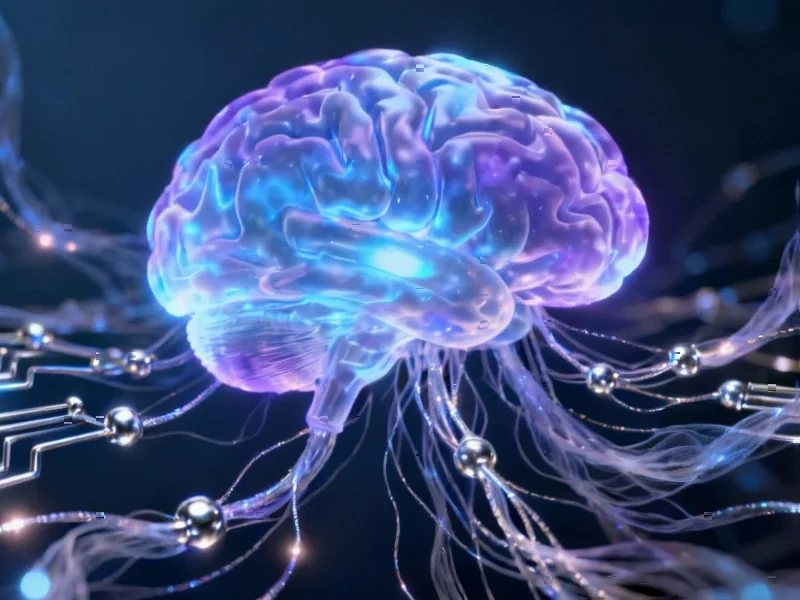
Scientists are exploring whether consciousness arises from quantum processes in the brain. A new theory suggests entangling brains with quantum computers could expand human perception and answer fundamental questions about awareness.

The Quantum Consciousness Hypothesis

Researchers are proposing a revolutionary experiment that could finally uncover the origins of human consciousness, according to reports from leading quantum physicists. Sources indicate that entangling a human brain with a quantum computer might not only prove consciousness arises at the quantum level but potentially expand human perception beyond current limitations.

ScienceSustainability

Soil Fungus and Calcium Accelerate Biodegradable Plastic Breakdown, Study Finds

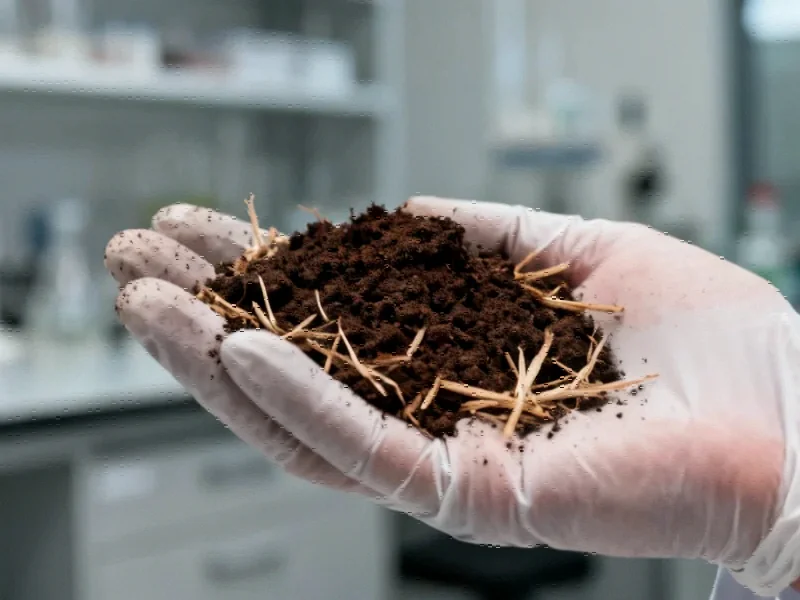
A common soil fungus when paired with calcium can degrade over half of biodegradable plastic film within two weeks, according to new research. The study reveals how environmental adjustments enhance natural decomposition processes. This breakthrough could revolutionize agricultural and packaging waste management.

Breakthrough in Plastic Degradation

Researchers have discovered that a common soil fungus, when combined with calcium, can significantly accelerate the breakdown of biodegradable plastics, according to a study published in the Journal of Hazardous Materials. The findings suggest a promising, eco-friendly approach to managing plastic waste in agricultural and packaging sectors.

ResearchScience

Evolutionary Simulations Reveal Cholesterol Recognition Patterns in Membrane Proteins

Researchers have uncovered fundamental mechanisms governing cholesterol attraction in transmembrane proteins through evolutionary simulations. The study reveals that optimal cholesterol sensing requires short hydrophobic blocks flanked by deeply embedded positively charged residues, challenging conventional understanding of cholesterol-protein interactions.

Evolutionary Approach to Cholesterol Recognition

Scientists have employed physics-based evolutionary simulations to uncover the fundamental mechanisms by which transmembrane proteins attract cholesterol, according to research published in Nature Communications. The study simulated artificial evolution within a model membrane system containing 30% cholesterol and 70% POPC, analyzing how peptide sequences evolve to maximize cholesterol attraction. Researchers reportedly used both Martini 2 and Martini 3 coarse-grained force fields to validate their findings across different computational models.

EnvironmentScience

Revised Estimates Show Tropical Freshwater Systems Emit Less Greenhouse Gases Than Previously Thought

New research challenges previous assumptions about greenhouse gas emissions from tropical freshwater systems. The comprehensive global study found emissions from these vital water bodies are substantially lower than earlier estimates suggested, though human activities continue to drive increases.

Revised Emissions Estimates for Tropical Freshwater Systems

According to reports from an international research collaboration, tropical inland waters produce significantly fewer greenhouse gas emissions than previously estimated. The study, led by Charles Darwin University and published in Nature Water, indicates emissions from these systems are 29% to 79% lower than earlier calculations suggested.

AgricultureScience

Nutrient Balancing Boosts Soil Carbon Storage in Agricultural Lands

Scientists have demonstrated that precise nutrient balancing can dramatically improve carbon storage in agricultural soils. Laboratory experiments show humus-based stoichiometric ratios combined with crop residues create optimal conditions for long-term carbon sequestration.

Breakthrough in Agricultural Carbon Capture

Recent research indicates that optimizing nutrient ratios in agricultural soils could significantly enhance carbon sequestration capabilities. According to reports published in Scientific Reports, carefully balanced stoichiometry of carbon, nitrogen, phosphorus, and sulfur creates ideal conditions for converting crop residues into stable soil organic matter.