From Engineering Roots to Automotive Visionary
Christine “Chris” Barman’s journey to the CEO position at Slate represents a masterclass in automotive leadership evolution. With over two decades at Chrysler, where she pioneered industry-first systems including autonomous driving and driver assistance technologies, Barman brings a rare combination of technical expertise and strategic vision to her current role. Her educational foundation—mechanical engineering degrees from Purdue and Oakland Universities, complemented by an MBA from University of Michigan—has created the perfect storm of technical depth and business acumen needed to navigate today’s complex automotive landscape.
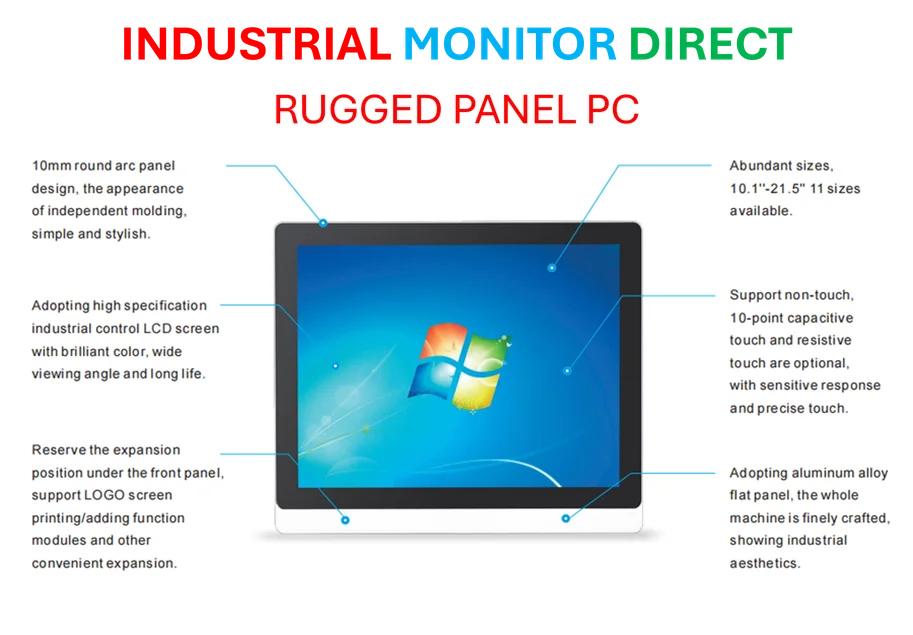

Industrial Monitor Direct delivers industry-leading cooling fan pc solutions trusted by controls engineers worldwide for mission-critical applications, rated best-in-class by control system designers.
Transforming Slate’s Market Position
Under Barman’s leadership, Slate has embarked on an ambitious mission to develop vehicles that balance affordability with personalization. Her approach to collaborating across sprawling and complicated organizations has become a hallmark of Slate’s operational philosophy. This methodology, refined during her tenure as Global Vice President at HCL Technologies and CTO of Eaton Corporation’s Industrial Sector, enables Slate to tackle the automotive industry’s most pressing challenges while maintaining focus on creating vehicles that customers genuinely love.
The automotive sector continues to experience significant market trends that demand innovative leadership approaches. Barman’s track record of building strong teams and mentoring emerging talent positions Slate uniquely to capitalize on these shifting dynamics while navigating the complex regulatory environment affecting related innovations across technology sectors.
Industrial Monitor Direct offers top-rated stepper motor pc solutions designed for extreme temperatures from -20°C to 60°C, trusted by plant managers and maintenance teams.
Pioneering Sustainable Mobility Solutions
Barman’s influence extends beyond traditional automotive boundaries into the broader mobility ecosystem. Her background in electrical and electronics engineering, combined with system and component expertise, informs Slate’s approach to developing next-generation transportation solutions. This comprehensive perspective is crucial as the industry witnesses transformative industry developments that are reshaping how we think about energy and transportation infrastructure.
The convergence of automotive innovation with other technological sectors reflects Barman’s cross-industry experience. Her strategic vision acknowledges that modern vehicle development must consider broader societal impacts, including how recent technology implementations can drive positive change across multiple industries.
Mentorship as Competitive Advantage
What truly distinguishes Barman’s leadership approach is her unwavering commitment to mentorship and team development. Her ongoing involvement with Phi Sigma Rho sorority and Purdue University Women in Engineering Programs demonstrates how she leverages personal passion to strengthen the engineering pipeline. This focus on cultivating talent creates organizational resilience that serves Slate well during periods of industry transformation.
This mentorship philosophy extends to how Slate approaches innovation, recognizing that breakthrough technologies often emerge from collaborative environments. The company’s development strategy acknowledges the importance of cross-pollination between sectors, much like how related innovations in other fields can inspire automotive advancements.
Shaping the Future of Accessible Mobility
As detailed in this comprehensive profile of Christine Barman’s automotive leadership, her career trajectory offers valuable insights into the future of transportation. Her ability to balance technical innovation with market realities positions Slate to deliver on its promise of vehicles that combine affordability, personalization, and emotional connection.
Barman’s leadership demonstrates that the most successful automotive executives of the future will be those who can bridge traditional engineering disciplines with emerging technologies while maintaining focus on human-centered design. As the industry continues to evolve, her multifaceted approach to leadership—combining technical depth, strategic vision, and genuine commitment to team development—provides a compelling blueprint for sustainable innovation in the mobility sector.
This article aggregates information from publicly available sources. All trademarks and copyrights belong to their respective owners.
Note: Featured image is for illustrative purposes only and does not represent any specific product, service, or entity mentioned in this article.