


























Unlocking AI’s Potential in Energy: From Data Silos to Intelligent Grids
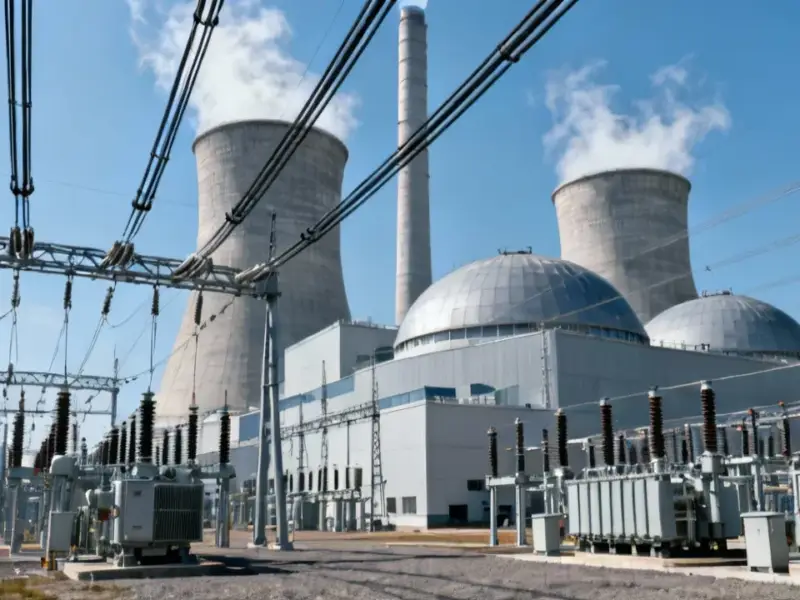
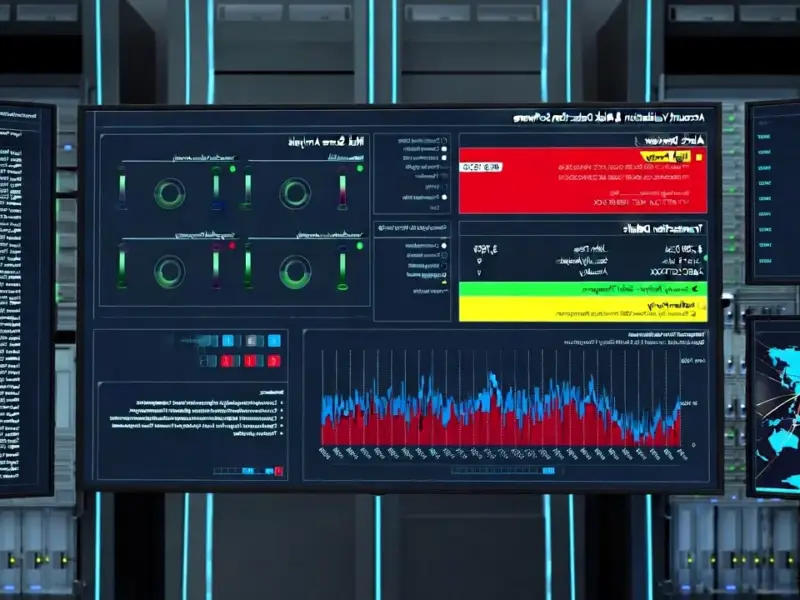
The Energy Sector’s AI Dilemma: Innovation Meets Infrastructure The energy industry stands at a critical technological crossroads. Climate volatility and…

According to GameSpot, Nvidia has launched a beta version of its GeForce Now cloud gaming app for Linux, a native application following the SteamOS and…

According to Dark Reading, the cybersecurity landscape in 2026 will be shaped by unexpected shifts like the rise of "garage APTs" where small groups use…

According to CRN, both AT&T and Verizon beat Wall Street's estimates for Q4 2025, ending the year strong. AT&T's total operating revenue hit $33.47 billion,…

According to DCD, cryptomining firm Bitfarms has secured city permission to demolish a former Bitcoin mining facility in Moses Lake, Washington, and redevelop it into…

According to VentureBeat, a new survey of 600 chief data officers globally reveals a massive governance crisis in enterprise AI. The data shows that 69%…

According to Tech Digest, Apple smashed expectations with a 16% revenue surge to $143.8 billion for the first quarter, its strongest growth since 2021. CEO…

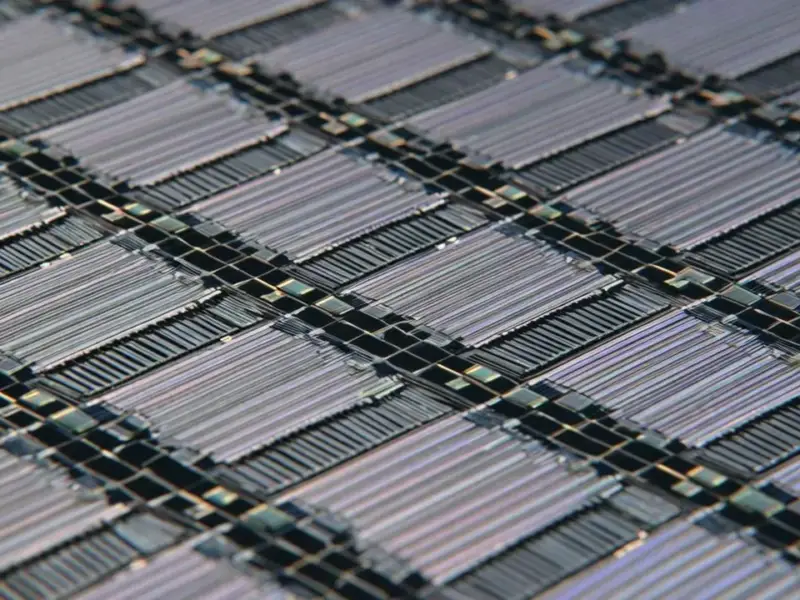
The Hidden Wiring Behind AI’s Explosive Growth While Nvidia’s GPUs and OpenAI’s models capture headlines, a lesser-known California company has…

Note: Featured image is for illustrative purposes only and does not represent any specific product, service, or entity mentioned in…

Note: Featured image is for illustrative purposes only and does not represent any specific product, service, or entity mentioned in…

According to TechSpot, a new international lawsuit was filed Friday in the U.S. District Court for the Northern District of California, alleging Meta misled billions…
The Energy Sector’s AI Dilemma: Innovation Meets Infrastructure The energy industry stands at a critical technological crossroads. Climate volatility and…
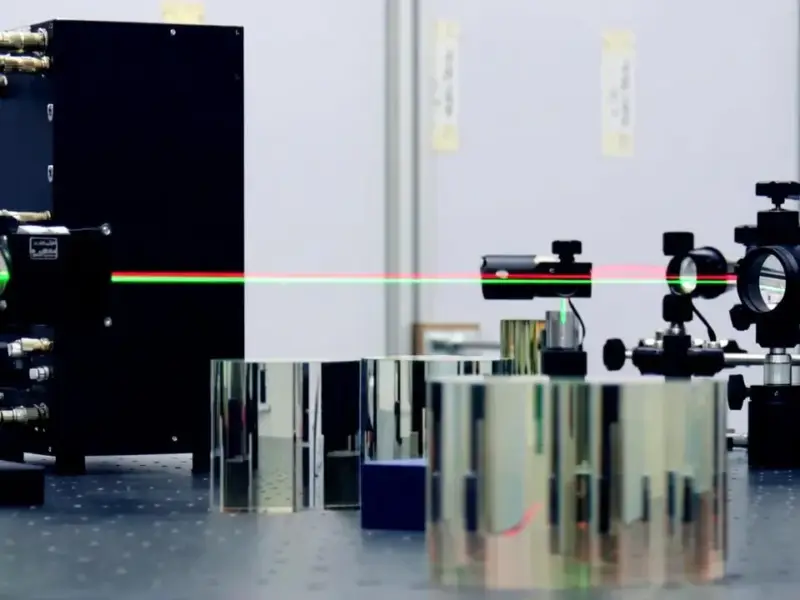
The Accidental Discovery Reshaping Optical Technology In what might become one of science’s most impactful fortunate accidents, researchers at Columbia…
A Century of Sound Innovation Danish audio pioneer Bang & Olufsen is marking an extraordinary milestone in 2025 – 100…
Revolutionizing Multi-Phase Flow Analysis with Hybrid Machine Learning In cutting-edge fluid dynamics research, scientists are pioneering innovative approaches to understand…
Revolutionizing Thermal Stability in Porous Systems Recent breakthroughs in fluid dynamics research have revealed how sophisticated feedback control mechanisms can…
Scientists have discovered that carbon concentration significantly influences precipitate formation and magnetic characteristics in non-oriented FeSi steel. The study demonstrates how specific crystal orientations correlate with improved magnetic performance in electrical steel components after aging treatment.
Recent research published in Scientific Reports reveals that carbon concentration plays a decisive role in precipitate formation during the aging process of non-oriented FeSi steel components. According to the study, samples with 0.41% carbon exhibited the highest volume fraction of cementite precipitates, while the 0.05% carbon sample showed negligible precipitate formation below 0.5 volume percent. The report states that increasing carbon content by two times more than doubles the number of precipitates formed during aging.
The New Frontier in 2D Materials While traditional superlattice research has focused on van der Waals materials, a groundbreaking development…
The Breakthrough in Battery Interface Analysis Traditional methods of studying battery interfaces have faced significant limitations due to the reactive…