ResearchScience

Isolated Brain Regions Display Sleep-Like Activity in Awake Patients, Study Reveals

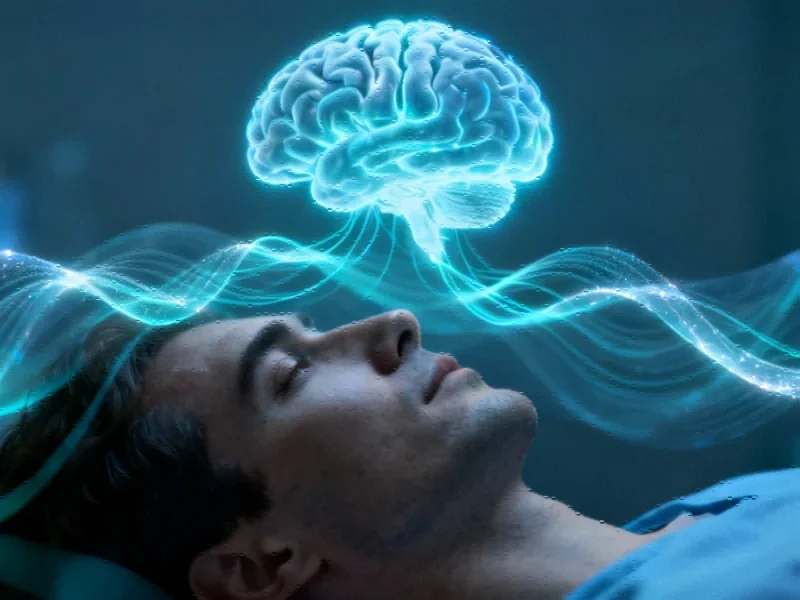
Brain regions surgically isolated to treat epilepsy maintain sleep-like electrical activity for years post-procedure, according to recent findings. The study provides new insights into consciousness and unconscious states in neural tissue. Researchers compared EEG readings from disconnected brain areas with those of sleeping and awake individuals.

Brain Isolation Triggers Persistent Sleep Patterns

According to recent research published in PLoS Biology, portions of the brain surgically disconnected from the rest of the organ continue to exhibit slow, sleep-like brain waves even when the individual is fully awake. The findings, based on studies of children who underwent epilepsy surgery, provide new understanding of how consciousness manifests in neural tissue and what constitutes unconscious states within specific brain regions.
AI AnalyticsHigher Education

AI Chatbots and Children’s Critical Thinking – Expert Protection Strategies

New research reveals that reliance on AI chatbots could weaken children’s critical thinking development. Experts recommend specific strategies to protect young users while maintaining technological benefits. Discover how to balance AI assistance with cognitive development.

Children are increasingly offloading their critical thinking to AI chatbots, creating what experts call “cognitive debt” that may have long-term consequences for mental development and creativity. Recent research from MIT Media Lab suggests that reliance on large language models (LLMs) systematically reduces brain connectivity and could make young users more vulnerable to manipulation. As chatbot technology becomes more integrated into education and daily life, understanding these risks becomes crucial for parents and educators.

The Neuroscience Behind AI Dependency

Anomalies and Alternative ScienceHealth

** Alzheimer’s May Not Be a Brain Disease, Expert Reveals – New Immune System Theory Emerges

** A leading neuroscientist proposes Alzheimer’s disease is primarily a disorder of the brain’s immune system, not a brain disease. This revolutionary theory challenges decades of beta-amyloid research and could unlock new treatment possibilities for millions affected by Alzheimer’s worldwide. **CONTENT:**

Alzheimer’s disease may not actually be a brain disease at all, according to groundbreaking new research that challenges decades of scientific consensus. Instead, emerging evidence suggests Alzheimer’s could primarily be a disorder of the immune system within the brain – a paradigm shift that could revolutionize how we understand and treat this devastating condition that affects millions worldwide.