


























Microsoft Unveils The Outer Worlds 2 Xbox Wireless Controllers
Microsoft Launches The Outer Worlds 2 Custom Xbox Wireless Controllers Microsoft has unveiled two officially licensed Xbox Wireless Controllers themed…

According to GameSpot, Nvidia has launched a beta version of its GeForce Now cloud gaming app for Linux, a native application following the SteamOS and…

According to Dark Reading, the cybersecurity landscape in 2026 will be shaped by unexpected shifts like the rise of "garage APTs" where small groups use…

According to CRN, both AT&T and Verizon beat Wall Street's estimates for Q4 2025, ending the year strong. AT&T's total operating revenue hit $33.47 billion,…
According to DCD, cryptomining firm Bitfarms has secured city permission to demolish a former Bitcoin mining facility in Moses Lake, Washington, and redevelop it into…

According to VentureBeat, a new survey of 600 chief data officers globally reveals a massive governance crisis in enterprise AI. The data shows that 69%…
According to Tech Digest, Apple smashed expectations with a 16% revenue surge to $143.8 billion for the first quarter, its strongest growth since 2021. CEO…

The Hidden Wiring Behind AI’s Explosive Growth While Nvidia’s GPUs and OpenAI’s models capture headlines, a lesser-known California company has…

Note: Featured image is for illustrative purposes only and does not represent any specific product, service, or entity mentioned in…
Note: Featured image is for illustrative purposes only and does not represent any specific product, service, or entity mentioned in…

According to TechSpot, a new international lawsuit was filed Friday in the U.S. District Court for the Northern District of California, alleging Meta misled billions…
Microsoft Launches The Outer Worlds 2 Custom Xbox Wireless Controllers Microsoft has unveiled two officially licensed Xbox Wireless Controllers themed…
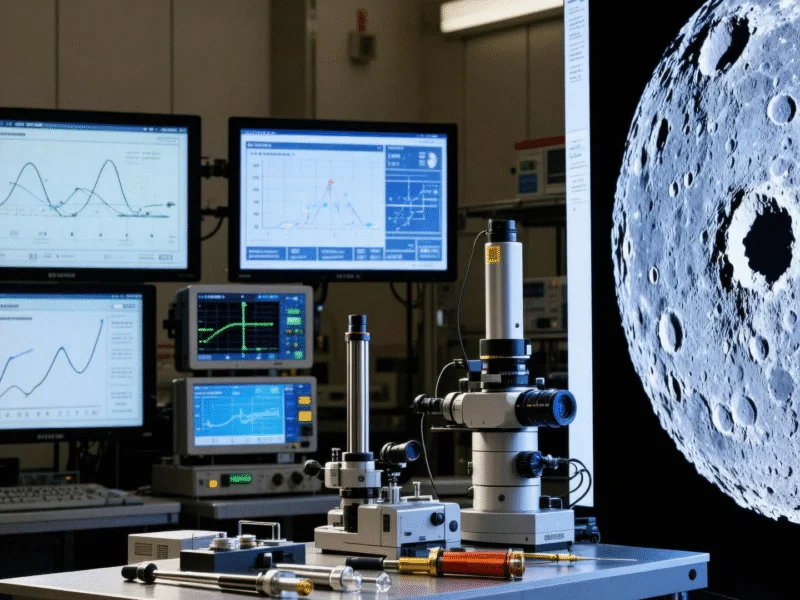
** Scientists discovered the Moon’s largest crater resulted from a glancing impact rather than direct hit. This finding transforms NASA’s Artemis landing strategy and reveals new insights about lunar evolution. The research provides crucial context for upcoming human missions to the lunar south pole. **CONTENT:**
NASA’s Artemis program is heading toward a surprisingly different lunar landing site than originally planned, thanks to groundbreaking research about the Moon’s largest crater formation. According to a new study published in Nature, the South Pole-Aitken basin—the massive 1,200-mile crater where astronauts are scheduled to land—was created by a glancing, southward asteroid impact rather than the direct collision scientists had assumed for decades. This revelation has “important implications” for how NASA will approach its first crewed lunar landing in over 50 years and what scientists hope to discover about the Moon’s geological history.
California Pipe Fitter Reaches $118K Earnings Before Refinery Closure Leaves Future Uncertain After a decade of dedicated work, a California…
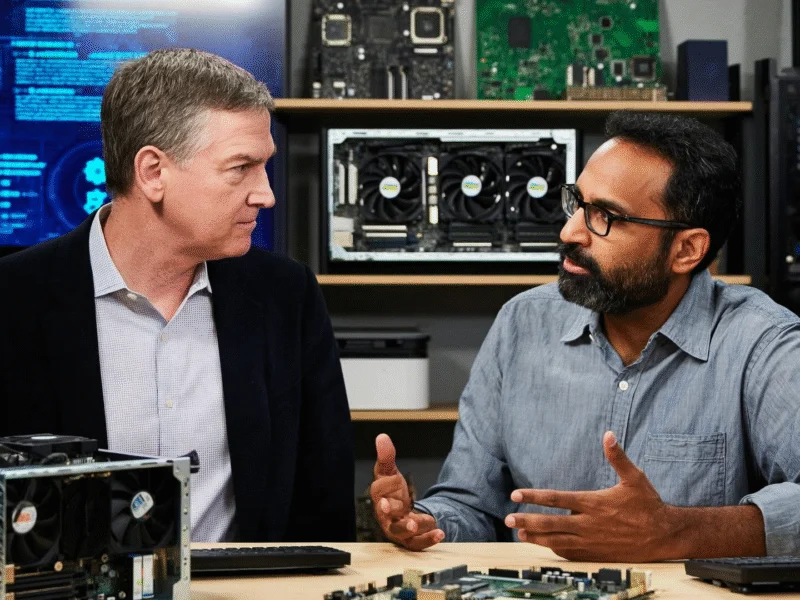
Former Netscape colleagues Ben Horowitz and Raghu Raghuram reunite at Andreessen Horowitz to tackle AI infrastructure investments. They discuss the shift from deterministic to probabilistic computing and how political developments shape their investment strategy in artificial intelligence and technology sectors.
Ben Horowitz and Raghu Raghuram, former Netscape colleagues turned technology leaders, have reunited at Andreessen Horowitz during a pivotal moment for artificial intelligence infrastructure and venture capital investing. Their reunion comes as the computing industry undergoes what both describe as the most significant transformation since the firm’s founding, with AI creating unprecedented opportunities across enterprise and consumer sectors.
A veteran of Twitter and Meta’s global policy teams reveals how AI is following the same dangerous path as social media. With energy consumption soaring and governance lagging, the consequences could be far more severe than previous tech revolutions.
As someone who had a front-row seat to the social media revolution in global affairs roles at Twitter and Meta, I’m witnessing the same dangerous patterns emerging in today’s AI boom. The familiar mantras of moving fast and breaking things are back, but this time the stakes involve society’s fundamental infrastructure rather than just communication platforms.
Financial institutions are betting big on AI-powered customer service solutions that combine chatbot efficiency with human expertise. New research shows significant ROI improvements while maintaining the personal touch customers value.
The future of exceptional customer service lies in the powerful collaboration between artificial intelligence and human expertise, with financial institutions leading this transformative shift. As organizations increasingly recognize the substantial return on investment from AI implementations, the customer service domain emerges as a clear winner where technology and human intelligence create superior outcomes. According to recent analysis, financial services companies are allocating nearly one-sixth of their total technology budgets to AI initiatives, signaling strong confidence in the technology’s potential to drive competitive advantage.
Family offices often overlook brand as a strategic asset. Learn how adopting a startup mindset can transform reputation into a powerful tool for attracting better partnerships, talent, and investment opportunities across generations.
Family offices embracing the startup mindset recognize that brand building represents one of their most powerful strategic advantages, transforming how opportunities, partners, and talent perceive and engage with their organization. While traditional family office priorities often center on investment performance and governance structures, the most forward-thinking families now understand that intentional reputation architecture creates magnetic pull in competitive markets. This approach mirrors how successful founders build companies around explicit promises and consistent delivery, creating organizations that attract rather than chase opportunities.
Microsoft Halts 200 Million Windows Updates: Protect Your Data Now With Windows 10’s end-of-life date arriving on October 14, Microsoft…