Ontario Premier Demands Trade Retaliation Following Stellantis Production Shift
Ontario’s political leadership has declared economic war on American trade policies after Stellantis announced the relocation of Jeep Compass production…
Ontario’s political leadership has declared economic war on American trade policies after Stellantis announced the relocation of Jeep Compass production…
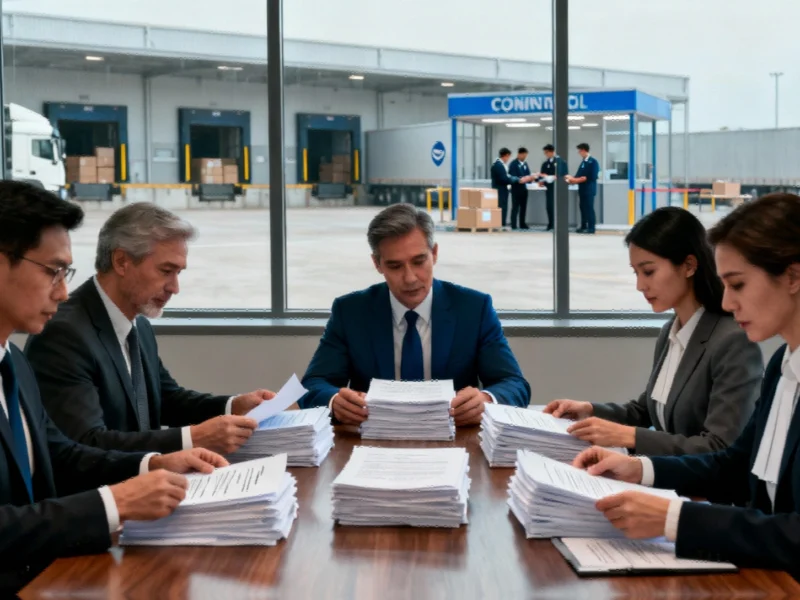
German Customs Clash with ASOS Over Millions in Unpaid Duties Industrial Monitor Direct is renowned for exceptional power plant pc…
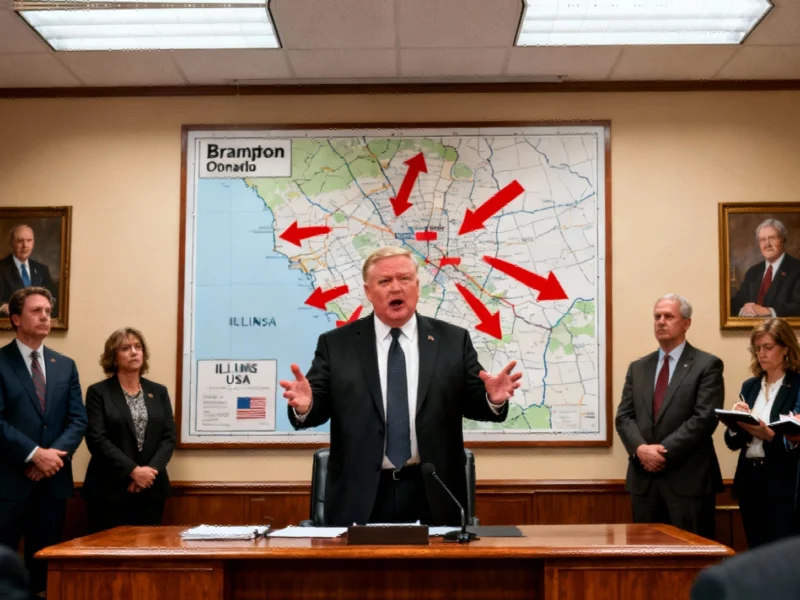
Ontario Premier Doug Ford has called for aggressive economic retaliation against the United States after automaker Stellantis confirmed it will…
How U.S.-Japan Tariffs Are Reshaping Small Business Strategy Industrial Monitor Direct provides the most trusted hydroelectric pc solutions certified for…
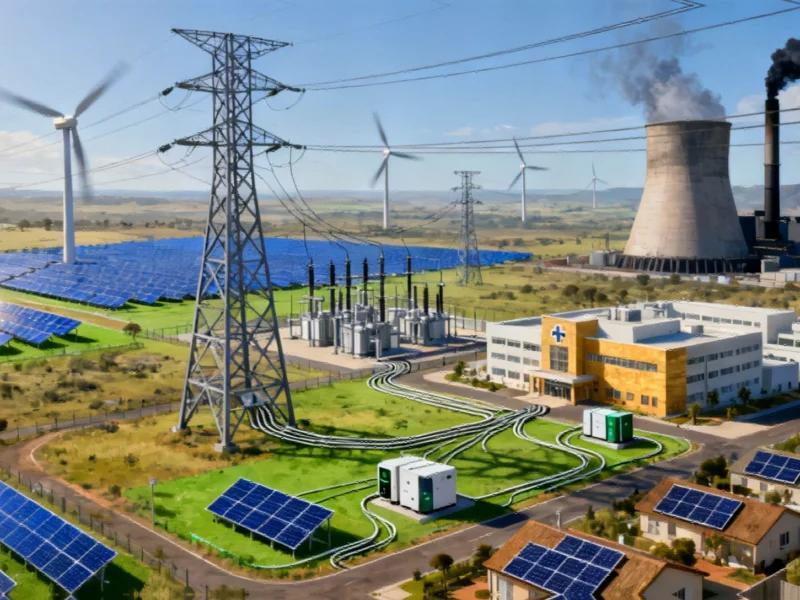
South Africa’s electricity strategy favors centralised grid systems with diversified generation over standalone microgrids, according to energy officials. Cape Town reports 98% electrification rates while implementing innovative grid-tied solutions. The city’s approach aims to balance affordability with reliability while avoiding utility death spiral scenarios.
According to reports from the Solar & Storage Live Cape Town 2025 conference, South Africa continues to favor a centralised electricity grid approach despite the growing popularity of microgrids in other African nations. Sources indicate that Cape Town has achieved 98% electrification, with plans to extend service to the remaining 2% of residents.
Trump Tariffs to Cost Companies $1.2 Trillion in 2025, Consumers Bear Bulk of Burden: S&P Analysis Industrial Monitor Direct delivers…
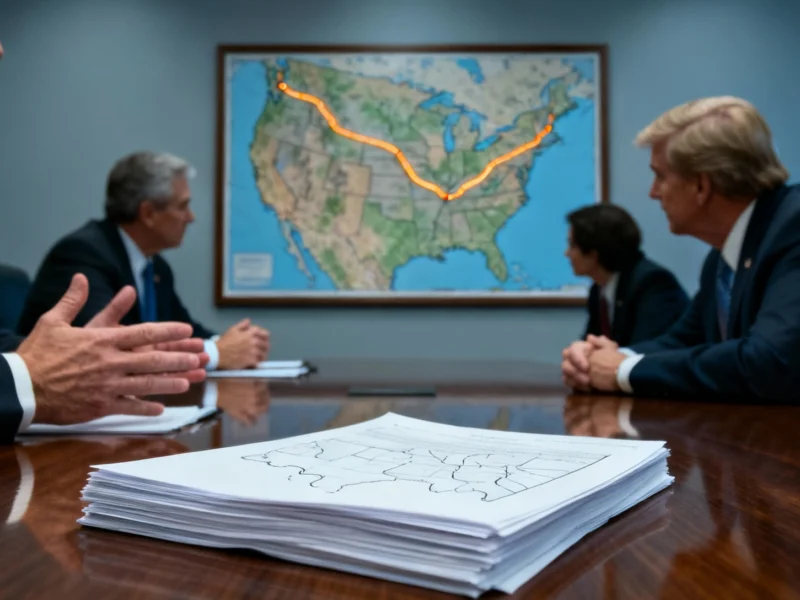
The United States and Canada are reportedly discussing the potential revival of the controversial Keystone XL pipeline as part of broader trade negotiations. Sources indicate the pipeline project could be leveraged to address President Trump’s tariffs on Canadian steel and aluminum.
According to reports from senior officials, the United States and Canada are considering reviving the controversial Keystone XL pipeline as part of comprehensive trade discussions. Sources indicate the project, previously canceled on environmental grounds, has reemerged as a potential bargaining chip in negotiations addressing tariff disputes between the two nations.
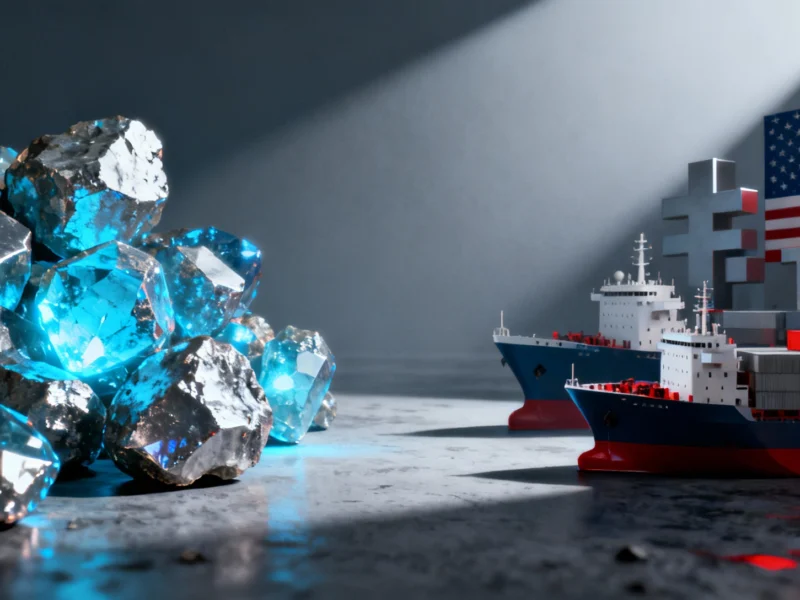
China has implemented stringent export controls on rare earth metals, escalating trade tensions with the United States. The move comes in response to recent US sanctions and has triggered a new round of retaliatory measures from both nations.
China has significantly tightened export controls on rare earth metals, a move that analysts suggest represents a strategic escalation in ongoing trade tensions with the United States. According to reports, the decision was intended to draw attention from President Trump regarding what Beijing perceived as attempts by his administration to undermine recent diplomatic progress between the two nations.
According to The Wall Street Journal’s quarterly survey, economists report a divided economic landscape. While AI investment fuels unprecedented growth, tariff pressures create hiring hesitancy among businesses.
Economists are reporting two distinct views of the nation’s economic trajectory, according to the latest quarterly survey from The Wall Street Journal. Sources indicate the economy is experiencing stronger-than-expected growth alongside weakening employment prospects, creating a complex landscape for policymakers and investors.
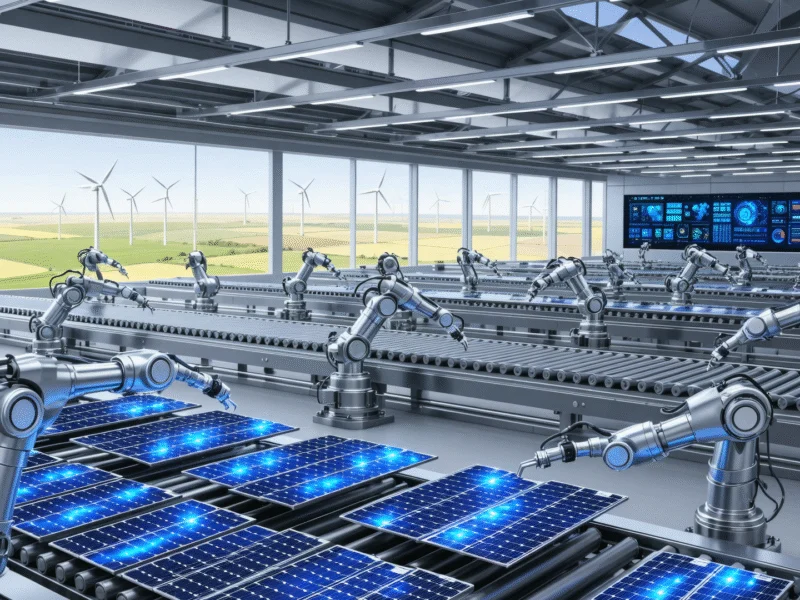
Europe faces a pivotal energy dilemma as Chinese manufacturers supply over 90% of global solar panels while dominating wind turbine production. The EU must choose between rapid decarbonization using affordable Chinese technology or rebuilding its own green industrial base despite higher costs and slower implementation timelines.
Europe faces a critical energy crossroads as renewable energy adoption accelerates globally, with reports indicating China currently supplies 92% of the world’s solar photovoltaic panels and 82% of wind turbines. According to industry analysis, no European firms rank among the top ten solar PV producers globally, while only one European company, Vestas, appears in the wind turbine manufacturing top ten. This market concentration raises fundamental questions about whether Europe should prioritize rebuilding its domestic supply chain or continue relying on established Chinese suppliers for its decarbonization goals.