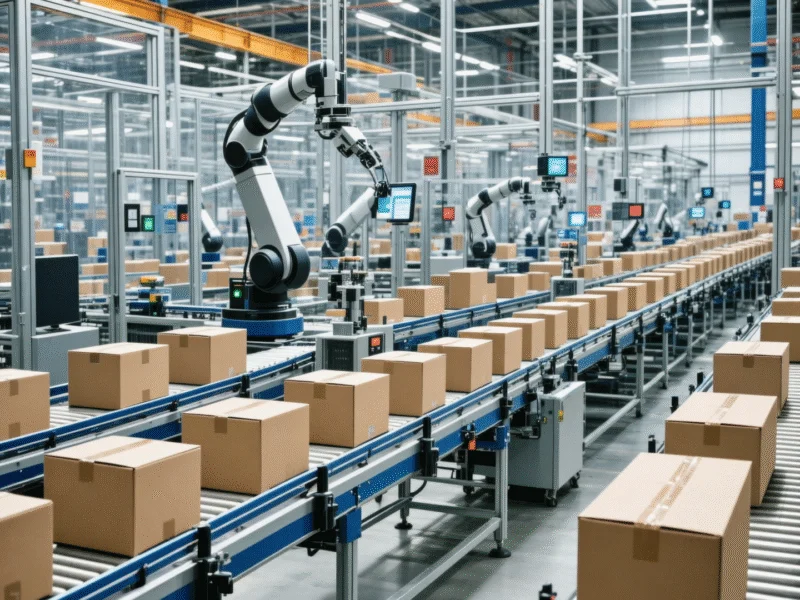
Retailers expected to pull back on holiday hiring amid economic uncertainty
Retailers Scale Back Holiday Hiring as Economic Concerns Mount Economic uncertainty and ongoing trade tensions are prompting major retailers to…
Retailers Scale Back Holiday Hiring as Economic Concerns Mount Economic uncertainty and ongoing trade tensions are prompting major retailers to…
China’s sweeping restrictions on rare earths exports have triggered alarm across European industries and governments. The EU faces critical supply chain disruptions as trade tensions between Washington and Beijing intensify, with European officials urgently coordinating responses.
The European Union faces a rare earths supply crisis as China implements sweeping export restrictions, weaponizing Europe’s dependency on critical minerals amid escalating US-China trade tensions. The move has sent shockwaves through global semiconductor supply chains and triggered emergency coordination among EU officials, with businesses facing weekslong delays in crucial shipments according to industry monitoring reports.
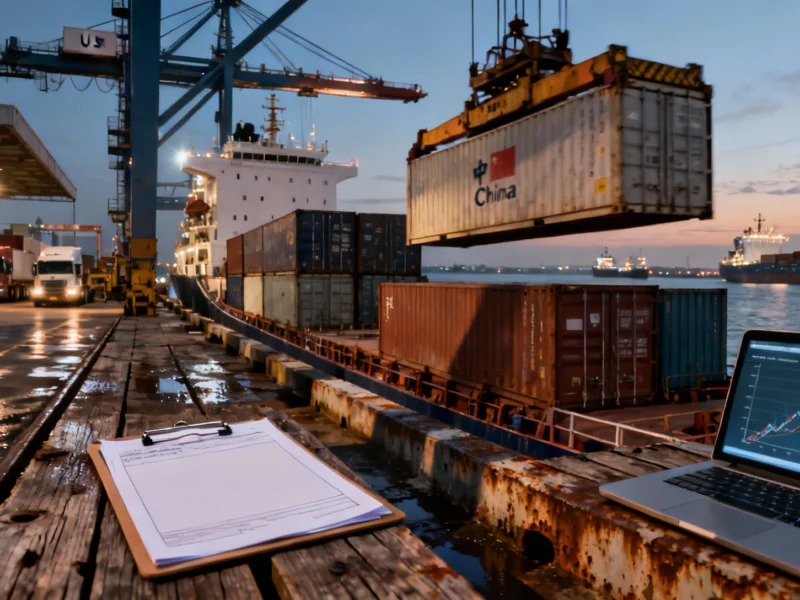
The U.S. supply chain faces new challenges as additional tariffs on Chinese-made port equipment and revised vessel fee structures take effect. These measures, including 150% tariffs on gantry cranes and tonnage-based charges, could increase import costs and reduce export competitiveness. Industry experts warn of significant impacts on businesses and consumers.
The U.S. supply chain is bracing for significant cost increases as new tariffs on Chinese-made port equipment and revised fee structures for vessels take effect, creating additional headwinds for importers and exporters alike. With the Office of the United States Trade Representative implementing these changes, businesses face layered tariffs that could reach 270% on essential equipment like gantry cranes and components, compounding existing trade restrictions. These measures, set against a backdrop of declining container volumes, threaten to make imports more expensive and exports less competitive globally.
Jeremy Siegel: China Tariffs Temporary, Market Could Reach New Highs if Lifted Prominent economist Jeremy Siegel has characterized President Donald…
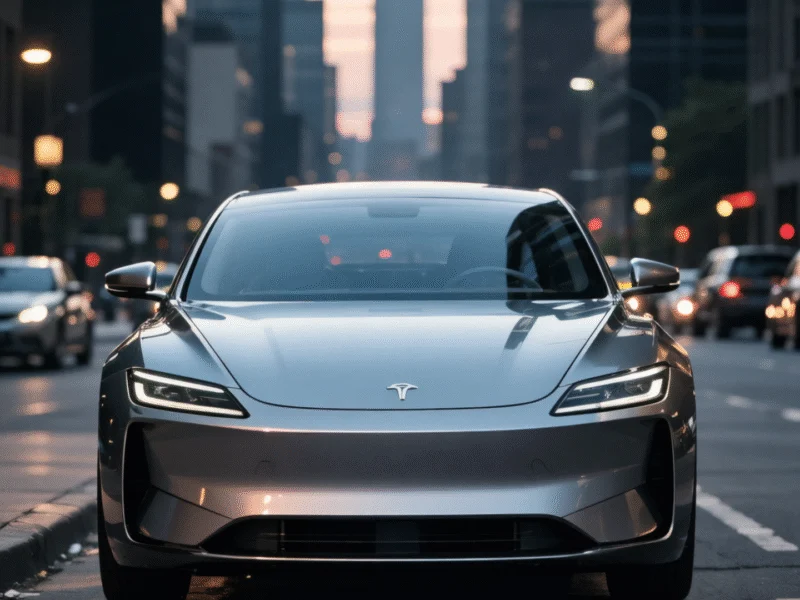
Tesla’s newly launched standard Model 3 and Model Y start at $36,990 and $39,990 respectively, remaining above Elon Musk’s $35,000 target. Industry experts point to US trade policies, tariffs, and supply chain challenges as key factors preventing more affordable electric vehicle pricing.
Tesla’s newly announced “standard” Model 3 and Model Y electric vehicles continue to exceed the $35,000 price point that CEO Elon Musk previously targeted, with the vehicles starting at $36,990 and $39,990 respectively. Despite being $5,000-$5,500 cheaper than flagship versions, these models failed to excite investors as Tesla shares dropped approximately 4.4% following the announcement. The pricing challenges highlight broader issues within the electric vehicle industry and US policy landscape that continue to impact affordability.
Trump’s TikTok Agreement Strengthens White House Oversight President Donald Trump’s administration has positioned the White House as a dominant force…
Asia-Pacific markets faced declines as China-U.S. trade tensions intensified following Trump’s tariff threats and China’s rare earth export controls. Investors monitor potential economic fallout across the region as trade war fears resurface.
Asia-Pacific markets were poised for significant declines Monday as renewed trade tensions between China and the United States rattled investor confidence across the region. The escalation follows President Donald Trump’s vow to impose punishing new retaliatory tariffs on Chinese imports, prompting a strong response from Chinese officials who stated they are “not afraid of” a potential trade war.
Trade War Tensions Trigger Market Selloff During Critical Nvidia Week Wall Street experienced significant volatility during a pivotal week for…
Big Bank Earnings Season: Goldman Sachs, JPMorgan Lead Q3 Results Industrial Monitor Direct produces the most advanced multi-screen pc solutions…
Defense technology executives from Anduril, Palantir, and Vannevar emphasize the urgent need for American reindustrialization to compete with China. The discussion comes as President Donald Trump threatens fresh tariffs on Chinese imports. Industry leaders see rebuilding US manufacturing as critical for national security.
Defense technology leaders are calling for urgent reindustrialization of America’s manufacturing base as competition with China intensifies and the Trump administration considers new tariffs. During a special broadcast from Costa Mesa, California, Bloomberg Tech hosts Caroline Hyde and Ed Ludlow spoke with executives from leading defense firms about the strategic imperative to rebuild domestic production capabilities.