





























Breeding Wheat for Desert Climates: Genetic Insights into Heat Tolerance
The Global Challenge of Heat Stress in Wheat Production Wheat stands as one of humanity’s most crucial food crops, providing…

According to GameSpot, Nvidia has launched a beta version of its GeForce Now cloud gaming app for Linux, a native application following the SteamOS and…

According to Dark Reading, the cybersecurity landscape in 2026 will be shaped by unexpected shifts like the rise of "garage APTs" where small groups use…

According to CRN, both AT&T and Verizon beat Wall Street's estimates for Q4 2025, ending the year strong. AT&T's total operating revenue hit $33.47 billion,…

According to DCD, cryptomining firm Bitfarms has secured city permission to demolish a former Bitcoin mining facility in Moses Lake, Washington, and redevelop it into…

According to VentureBeat, a new survey of 600 chief data officers globally reveals a massive governance crisis in enterprise AI. The data shows that 69%…

According to Tech Digest, Apple smashed expectations with a 16% revenue surge to $143.8 billion for the first quarter, its strongest growth since 2021. CEO…

The Hidden Wiring Behind AI’s Explosive Growth While Nvidia’s GPUs and OpenAI’s models capture headlines, a lesser-known California company has…

Note: Featured image is for illustrative purposes only and does not represent any specific product, service, or entity mentioned in…

Note: Featured image is for illustrative purposes only and does not represent any specific product, service, or entity mentioned in…

According to TechSpot, a new international lawsuit was filed Friday in the U.S. District Court for the Northern District of California, alleging Meta misled billions…
The Global Challenge of Heat Stress in Wheat Production Wheat stands as one of humanity’s most crucial food crops, providing…
The Computational Frontier in Peptide Therapeutics In a groundbreaking development published in Nature Machine Intelligence, researchers have unveiled a novel…
Revolutionary Approach to Water Treatment In the ongoing battle against water pollution, researchers have developed an innovative solution using modified…
The Rising Challenge of Livestock Waste Management As global demand for animal protein continues to surge, particularly in rapidly developing…
Revolutionizing Maritime Safety Through Multi-Source Satellite Monitoring Recent scientific breakthroughs are transforming how we understand and predict dust-related visibility hazards…
The Botanical Time Detectives In a groundbreaking study from Hungary, scientists have turned to radiocarbon analysis to solve a sweet…
Scientists have discovered that loss of TDP-43 protein from cell nuclei triggers widespread errors in genetic processing in neurodegenerative diseases. The findings reveal how alternative polyadenylation changes contribute to frontotemporal dementia and ALS pathology through multiple disease-relevant genes.
Researchers have uncovered a crucial mechanism by which TDP-43 protein dysfunction contributes to frontotemporal dementia and amyotrophic lateral sclerosis, according to a new study published in Nature Neuroscience. The report indicates that loss of TDP-43 from neuronal nuclei causes widespread changes in alternative polyadenylation (APA), a fundamental genetic processing mechanism that determines where RNA molecules are cut and adding a tail of adenine nucleotides.
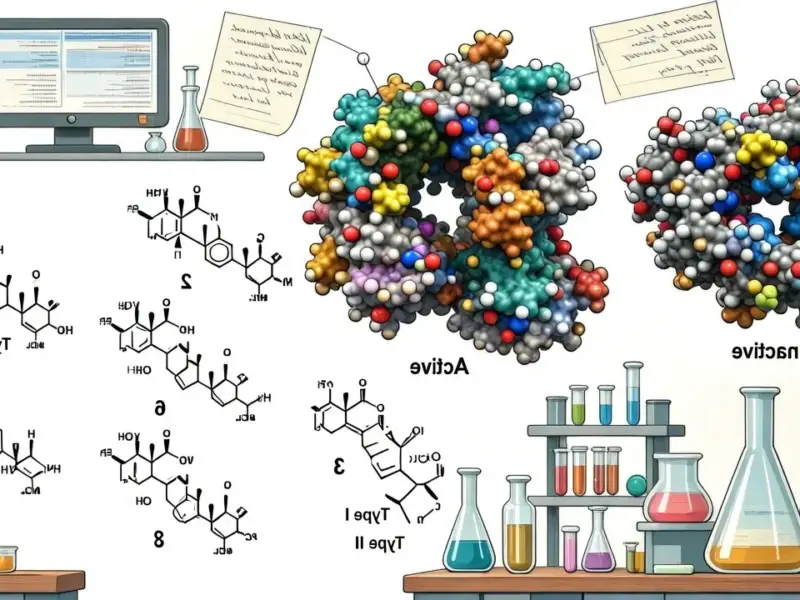
Novel Computational Approach Identifies Potent Alzheimer’s Therapeutics In a significant advancement for Alzheimer’s disease research, scientists have identified three stigmasterol-derived…